Small Studios to Multi-Chair Salons: Choosing the Right Setup
The most expensive mistake in beauty isn’t buying the wrong ring light.
It’s choosing a setup that fights your personality.
I’ve watched quiet, detail-obsessed artists open a big multi-chair space because it looked like “success,” then spend a year managing noise, staff issues, and walk-ins they never wanted. I’ve also seen social, high-volume operators trap themselves in a tiny studio and burn out because everything depended on them.
So let’s make this decision like a grown-up: not based on aesthetics, but on how you actually work.
First, be honest about what you want your days to feel like
Before we talk chairs and leases, answer this in plain language:
Do you want your day to feel like…
calm, focused, predictable
orbusy, social, high-energy
Neither is better. But pretending you want one when you really want the other is where people get miserable.
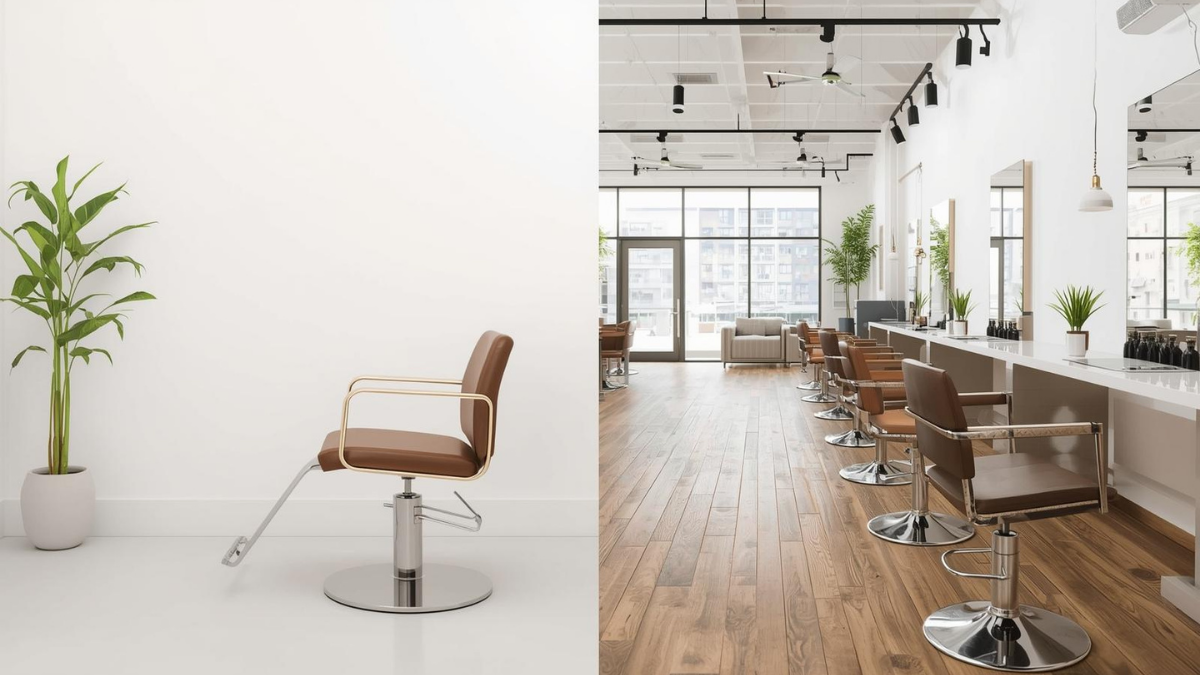
A small studio tends to reward calm mastery.
A multi-chair salon tends to reward coordination and leadership.
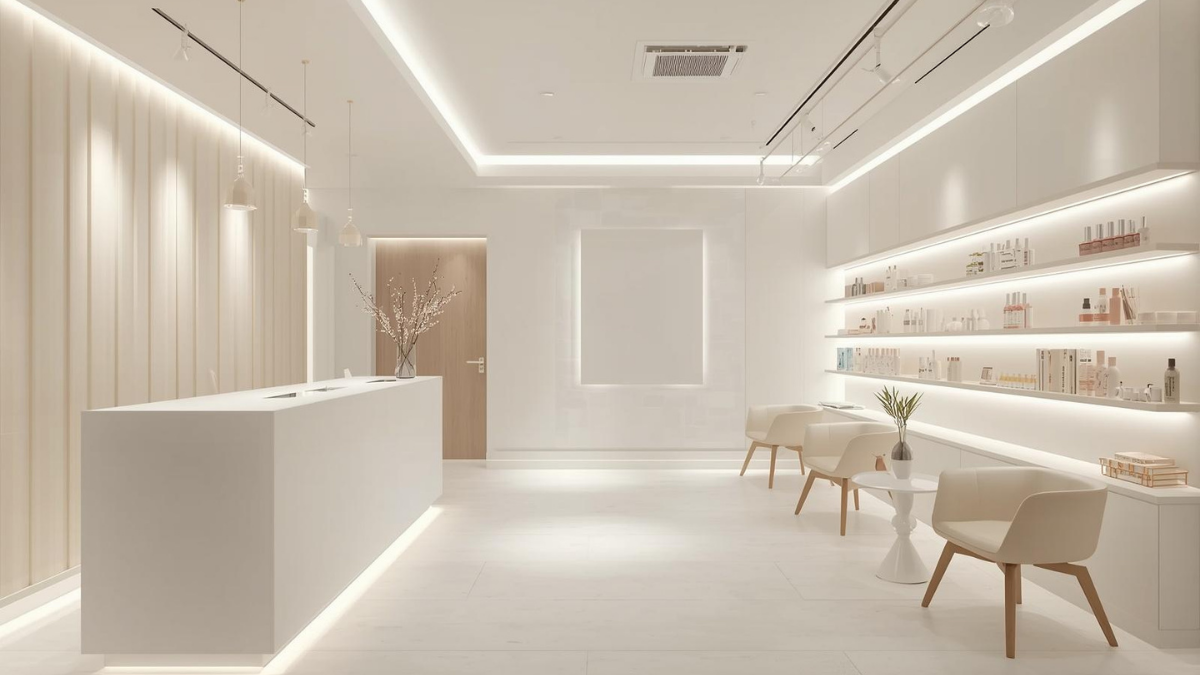
The small studio setup: when it’s the right move
A small studio is the best choice if you want:
control over every detail (music, scent, timing, vibe)
a predictable pace
fewer variables and fewer people problems
a brand that feels intimate and personal
It’s also ideal if your work is high-concentration: lashes, brows, PMU, advanced skin. Jobs where interruptions cost quality.
The hidden cost is that your studio is usually built around you. If you’re ill, on holiday, or just mentally fried, income can wobble. That’s not a dealbreaker—it’s just a reality you plan around.
The small studio wins when you build:
strong rebooking habits
clear policies (late cancels, patch tests, prep)
a tight intake system so appointments start on time
The multi-chair salon setup: when it’s the right move
A multi-chair salon shines when you want:
volume without you doing every single appointment
a team culture
multiple services under one roof
the ability to step back from “being the product” eventually
But here’s the catch: you’re not just running services anymore. You’re running people.
And people bring:
rota headaches
training needs
inconsistent standards if you don’t systemise
energy management (the vibe can change with one staff member)
Multi-chair works best if you enjoy leading, coaching, and building systems. If you hate difficult conversations, it can eat you alive.
The setup decision most people ignore: noise and attention
This sounds small, but it’s huge.
If your work requires deep focus, constant chatter and footfall will affect outcomes. You’ll rush. You’ll lose your flow.
If your work thrives on buzz (colour, styling, nails, walk-ins), silence can feel dead and make marketing harder because the space doesn’t “look busy.”
Ask yourself:
Do I do my best work in quiet? Or in energy?
That answer should shape your setup more than Instagram ever will.
Money is part of it, but not in the way you think
People assume multi-chair automatically means more income. Not always.
More chairs can mean:
more overhead
more complexity
more time spent managing instead of producing
Small studios can be extremely profitable when:
your booking rate is high
your no-show rate is low
your rebooking is consistent
your services are priced and timed realistically
Multi-chair salons can be extremely profitable when:
the team is trained and consistent
the schedule is managed tightly
the service menu is clear and not chaotic
systems reduce admin and miscommunication
In both models, the win comes from predictability, not wishful thinking.
The “systems” question that makes or breaks growth
This is where GlowForms fits, whether you’re tiny or huge.
If you’re a solo studio, you need intake to be finished before arrival because you don’t have a front desk buffering chaos. GlowForms intake reminders can nudge completion so you’re not doing clipboard theatre at your own door.
If you’re a multi-chair salon, you need consistency. Not “how Sarah does it vs how Mia does it.” A clean intake record and consistent consent process prevents staff from guessing and keeps client experience stable across chairs.
Small studio = systems protect your time.
Multi-chair salon = systems protect your standards.
Three setups that work in real life (and why)
Let’s make it less abstract.
1) Solo studio with a “micro-assistant” mindset
You’re still solo, but you systemise like you’re not.
intake completed before arrival
scripts for rebooking and sensitive clients
one calm follow-up routine
This is perfect if you want control and calm but still want to scale your income through consistency, not more hours.
2) Two-chair studio with staggered schedules
This is the sweet spot a lot of people miss.
Two chairs doesn’t mean chaos. It can mean:
you + one other tech
staggered start times so the room stays calm
shared reception moments without a full front desk
It’s growth without turning into a full salon manager overnight.
3) Multi-chair salon with a strong “house style”
This only works if you create a clear standard:
plain service names, no confusing menu
consistent consultation and aftercare scripts
consistent intake and consent capture
a culture of notes and client preferences
If your salon has a house style, clients stop booking “a person” and start booking “your salon.” That’s when you can scale properly.
The questions to ask before you commit
I’m going to keep this human, not corporate.
Ask yourself:
Do I want to be fully booked because of my hands, or because of my brand?
Do I enjoy leadership, or do I just like being good at treatments?
How do I feel about noise, interruptions, and constant social energy?
Do I want holidays without income dropping to zero?
Can I keep standards consistent without micromanaging?
Your answers will basically point to the right setup.
A small story to end on
One owner I worked with was convinced she “needed” a multi-chair salon to be taken seriously. She was talented, introverted, and happiest when she could focus.
She took a smaller space instead, tightened her intake flow, protected her schedule with rebooking, and built a reputation for being calm and meticulous. Her diary filled. She raised her standards. And she stopped apologising for not wanting a loud salon.
Another owner did the opposite: she was social, fast, and built for volume. She moved into multi-chair, created a house style, and became the person who trains others. She finally stopped being the bottleneck.
Both were successful. The difference was that they chose setups that matched who they actually were.
That’s the real decision here.