
What to Ask Before a New Client Books
6 min read
A lot of businesses wait too long to ask the useful questions.
They let the new client book first. Then the confusion starts afterward.
Wrong treatment.
Wrong expectations.
Missing prep info.
A client who thought they booked one thing but actually needed something else.
A consultation that turns into damage control.
That is not just annoying. It is avoidable.
Because the right questions before booking can clean up a lot of mess before it ever reaches your calendar.
This is the first mindset shift.
When a new client books, they are not only choosing a date and time. They are also making assumptions. About what the treatment does. About whether it suits them. About what result is realistic. About how the appointment will go.
Sometimes those assumptions are fine.
Sometimes they are wildly off.
That is why pre-booking questions matter. They help you catch mismatch early, while everything is still easy to fix.
This is usually the most useful starting point.
Not what service they think they need.
What they are trying to solve.
Because clients often book based on names, trends, or guesswork. They choose the thing that sounds closest to the issue in their head, not necessarily the thing that best fits.
If someone says they want a facial, what do they really want?
To calm breakouts?
To feel hydrated?
To relax?
To look fresher before an event?
To fix texture?
To finally do something about congestion?
That answer tells you far more than the service name alone.
This one changes the tone fast.
A first-timer usually needs more guidance, more expectation-setting, and more reassurance. A returning treatment client may need less explanation but still may carry assumptions from somewhere else.
Both matter.
If they have had the treatment before, it also helps to know how that went.
Did they like it?
Did they react badly?
Did it not do what they expected?
Are they comparing you to a previous experience already?
That context can save you from walking into silent expectations you never agreed to.
Not in a dramatic way. Just clearly.
This is not the full intake yet. But before someone books, you often still need enough information to spot whether there is anything that could affect suitability, timing, or treatment choice.
Skin sensitivity.
Allergies.
Pregnancy.
Recent procedures.
Medications.
Recent sun exposure.
Anything active that might matter.
The exact question depends on the service, obviously.
But if a treatment has common contraindications or timing issues, it is far better to surface that before the appointment exists than after the room is already booked.
This is one of the most underrated pre-booking questions.
A client can book the right treatment for the wrong imagined outcome and still end up disappointed.
That is why it helps to ask, in plain language, what they are hoping to get from the appointment.
Not because you need a dramatic answer.
Because expectations tend to hide inside simple bookings.
A client booking a head spa may be expecting deep relaxation, scalp relief, or a major hair transformation. Those are not the same expectation. A client booking body contouring may be hoping for subtle improvement or imagining something much bigger. A client booking a facial may want glow, correction, soothing, or a complete skin reset in one session.
You need to know which story they are telling themselves before they arrive.
This question earns its place over and over.
If a client has a wedding, holiday, photoshoot, birthday, or any visible event coming up, the timing and suitability of the treatment may need a different conversation.
Some treatments are fine close to an event.
Some are better planned earlier.
Some need downtime explained clearly.
Some should not be a first-time experiment right before something important.
Clients do not always volunteer this unless asked. Then later you find out the appointment was booked two days before a major event and everyone is suddenly much more emotionally invested.
Better to know upfront.
This sounds simple, but it reveals a lot.
Some clients absolutely do know. Others know the social media version. Others know almost nothing and are trying not to sound clueless.
A gentle question here helps you judge how much explanation is needed before they book. It also helps you spot where misinformation may already be sitting.
Because a lot of hesitation, disappointment, and mismatch starts with half-understood treatments.
Not bad intentions.
Just fuzzy understanding.
This is the question businesses skip because it feels less tidy.
It is also one of the most human ones.
Sometimes the concern is practical.
Price. Timing. Downtime. Childcare. Parking.
Sometimes it is emotional.
Nervousness. Embarrassment. Fear of pain. Fear of choosing wrong. Fear of being judged.
If you never ask, those concerns stay hidden and quietly shape whether the client books at all.
A small question like “Is there anything you are unsure about before booking?” can open up exactly what needs clearing up.
This part matters.
The goal is not to interrogate people before they can secure an appointment.
Too many questions too early can make the process feel heavy and annoying. Clients do not want to fill out a life history before they know whether they even want the treatment.
So the real skill is asking the right amount.
Enough to catch mismatch.
Enough to flag suitability issues.
Enough to understand the goal.
Enough to shape expectations.
Not so much that the booking process starts feeling like homework.
This is not just about screening.
It is about experience.
When a new client feels guided before they book, the business feels more professional. More attentive. More trustworthy. They feel like someone is actually helping them choose well, not just letting them click blindly and deal with the consequences later.
That changes the tone of the whole relationship.
It also reduces the mess on your side.
Fewer wrong bookings.
Fewer awkward clarifications.
Fewer last-minute surprises.
Fewer appointments starting with a quiet sense that this should have been caught earlier.
If you only improve one thing, start here:
What are you hoping this appointment will help with?
That one question gets underneath service names, trend language, and rushed decision-making. It puts the focus back on the client’s actual goal, which is where the useful conversation usually begins.
From there, the rest becomes easier to guide.
Because pre-booking questions are not about making the process harder.
They are about making the appointment a better fit before anyone commits to it.
And honestly, that is better for everyone.
Gifts don’t need bows and big budgets. Use small, thoughtful touches—welcome kits, milestone notes, minis at the mirror—that feel personal and spark rebooks.

GlowForms reminders aren’t “don’t forget your appointment” nags. They’re polite nudges to finish intake forms before clients arrive—so you start on time and sta
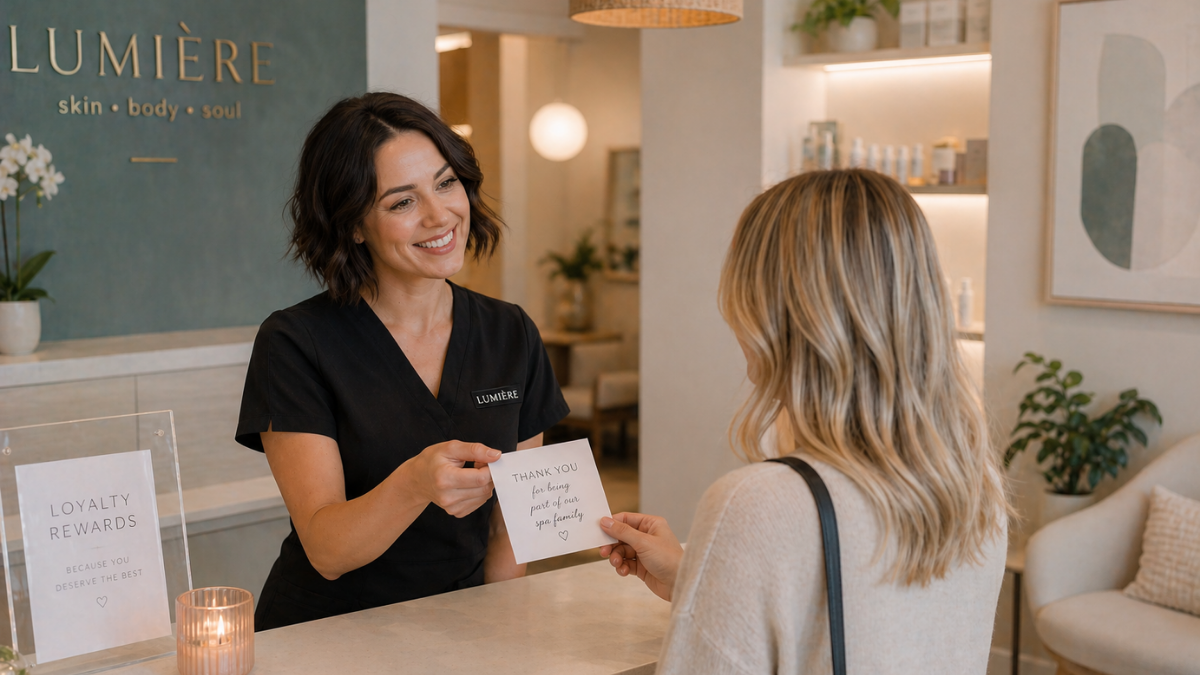
Loyal clients do not stay because you are the cheapest. They stay when the experience feels consistent, personal, professional, and worth coming back for.