
Running a Solo Beauty Biz: 5 Things You Didn’t Expect
3 min read
You get the keys, hang the sign, and then—silence. No boss, no backup, no one to blame when the towels aren’t dry. Going solo is wonderful, but it comes with surprises. Here are the five most common “wait, what?” moments and how to handle them.
What happens: Days pass with lovely clients but zero peer support. Tiny decisions feel heavy.
Fix it:
Join one local peer chat (three to five pros is enough).
Book a recurring coworking hour for admin on video—cameras on, mics off.
Keep a “wins” note and drop one line after each shift. Confidence needs receipts.
What happens: Forms, receipts, laundry—nothing hard, just endless.
Fix it:
Create a 15-minute money ritual weekly: categorize transactions, attach receipts, log tips.
Auto-send intake/consent at booking and aftercare links at checkout.
Time your chores: one laundry block and one supply restock block per week. Calendar, not vibes.
What happens: A “60-minute” service regularly runs 78. Add-ons sneak in for free.
Fix it:
Measure door-to-door time (consult → notes).
Write what’s included; move the rest into 10–20 minute add-ons.
Use a two-line closing script: “Five minutes left—anything to adjust, or keep this and book the add-on next time?”
What happens: Late texts, “quick favors,” friends’ discounts.
Fix it:
Put policies inside consent with checkboxes; repeat one line in reminders.
Use card on file/deposit for peak or long slots.
Save three replies: “Here’s the booking link,” “I don’t text prices—menu here,” “One-time courtesy issued; policy applies next time.”
What happens: Posting feels endless and salesy; you’re not a content creator.
Fix it:
Choose one channel and do it well; update Google Business Profile weekly with a photo + “Book this slot.”
Build a selfie wall and give clients two caption prompts; repost with a booking sticker.
Track new vs. returning and rebook rate monthly. If numbers hold, your marketing is working—don’t chase trends.
Day 1: Add intake/consent and aftercare links to your booking flow.
Day 2: Measure door-to-door time for top three services; update blocks.
Day 3: Write “included vs. add-on” lines; print a tiny counter card.
Day 4: Turn on card-on-file/deposits for peak hours.
Day 5: Set a weekly money ritual and a single laundry/supply block.
Day 6: Create a selfie spot; save a “Thanks for sharing” DM reply.
Day 7: Start a three-person peer chat; schedule a monthly metrics check.
Solo doesn’t mean alone. Put tiny systems around your talent and the job starts feeling light—and fun—again.
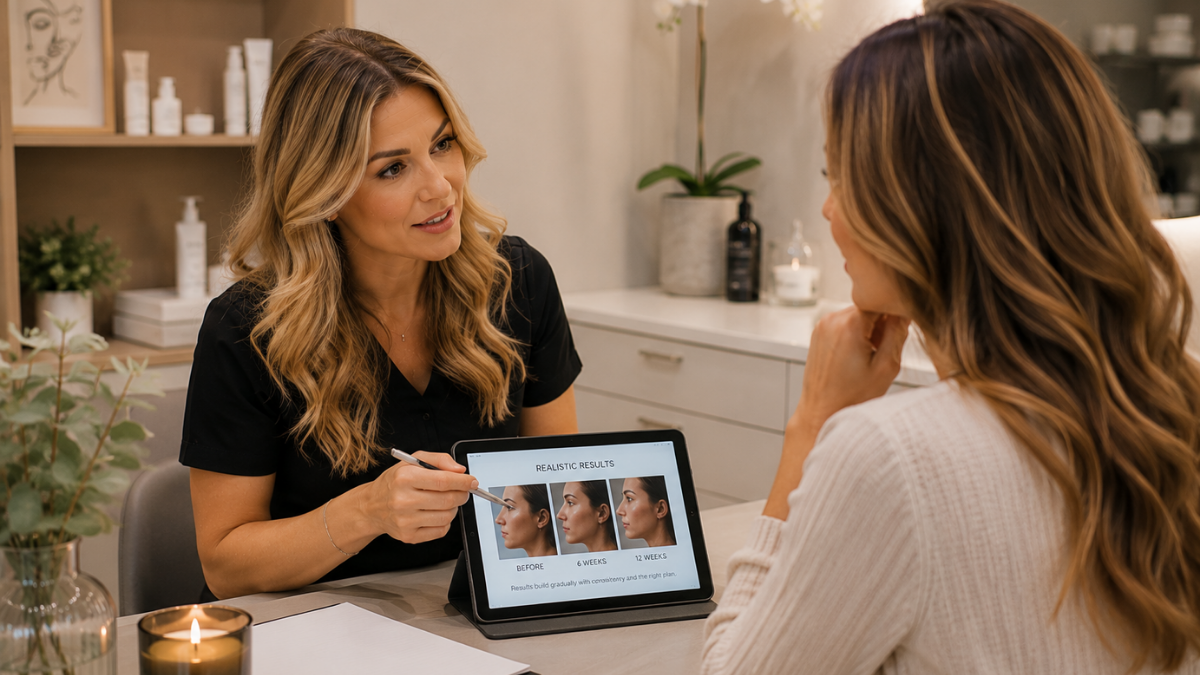
Some beauty clients want instant fixes for bigger problems. Clear conversations help slow things down before rushed decisions damage the result.
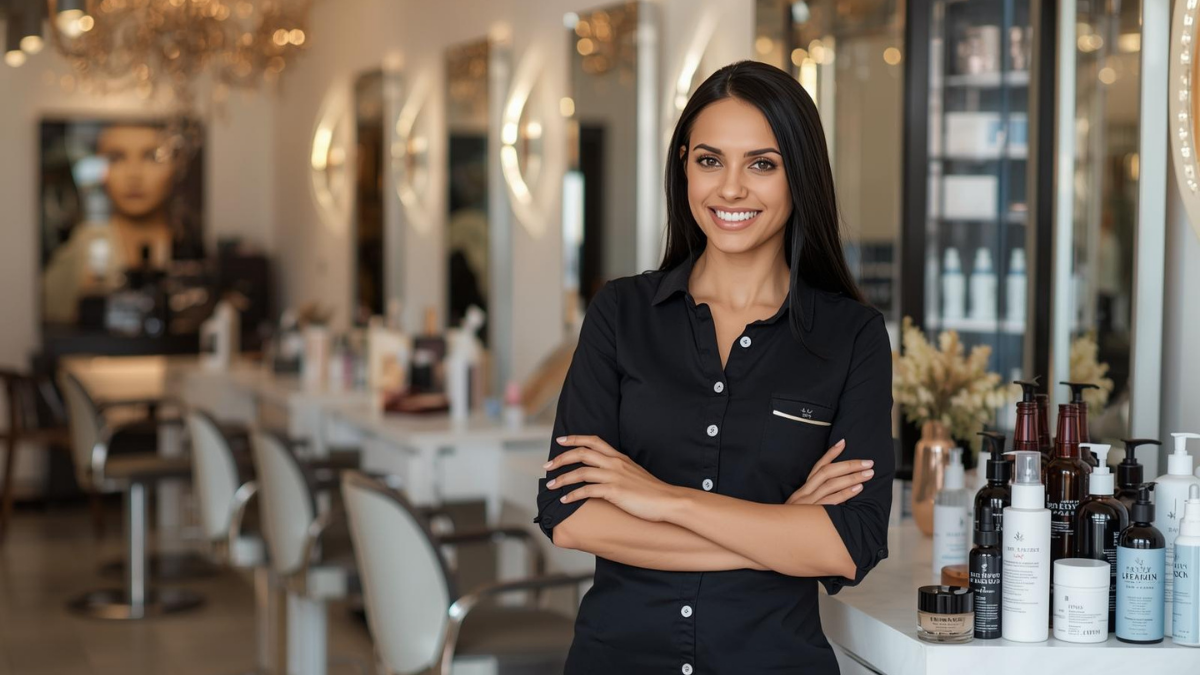
Gifts don’t need bows and big budgets. Use small, thoughtful touches—welcome kits, milestone notes, minis at the mirror—that feel personal and spark rebooks.

The right pre-booking questions save time, prevent mismatched appointments, and help new clients feel clearer, safer, and easier to guide from the start.