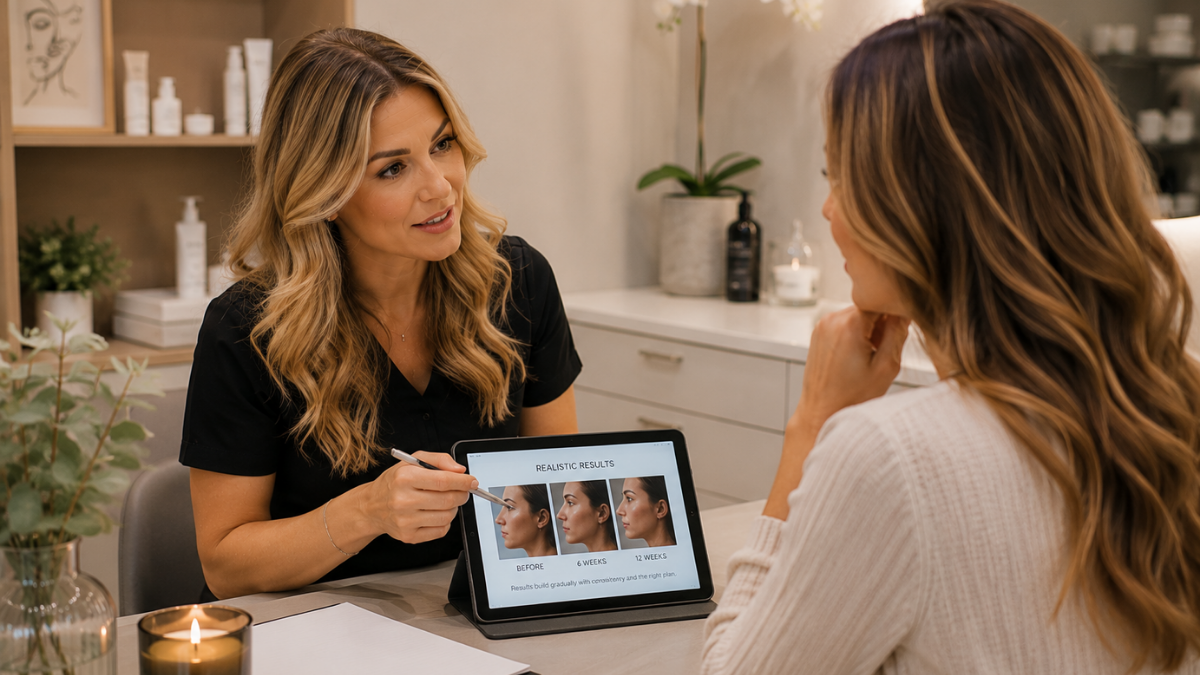
How to Reset Expectations With “Quick Fix” Clients
“Can we just quickly fix this?”
Those words usually mean trouble.
Not because the client is bad. Because rushed clients often want a result that realistically needs more time, more preparation, or a completely different approach than they expect.
And when the pressure enters the room, beauty professionals often make the same mistake:
They try to rescue the situation too fast.
Quick fixes usually come with unrealistic timing
The client has an event tomorrow.
They hate what another salon did.
They suddenly want a dramatic change.
They ignored the issue for months and now want it solved immediately.
Now the appointment carries urgency before it even begins.
That urgency is dangerous.
Because rushed decisions create rushed work.
Slow the conversation down first
This matters more than the technical part.
When a client arrives stressed or desperate for a fast solution, they are often thinking emotionally, not practically.
If you immediately jump into problem-solving mode, you can accidentally match their panic.
Instead, slow the pace.
Ask questions.
Assess properly.
Clarify what they actually want.
Explain what is realistic today.
That shift alone changes the energy of the appointment.
Do not promise speed just to calm them down
This is where problems start.
“Yeah, we can probably sort it.”
“It should be fine.”
“We’ll make it work.”
Those sentences feel helpful in the moment.
Until halfway through the treatment when you realise the situation needed more time, more correction, or lower expectations from the start.
It is much safer to be honest early.
Explain the difference between improvement and perfection
A lot of clients hear “fix” and imagine complete transformation immediately.
Sometimes the realistic goal is improvement, not perfection.
You may be able to soften the issue today, but not completely erase it. You may need multiple appointments. You may need to prioritise hair, skin, lash, or nail condition first before chasing the final look they want.
Clients usually handle honesty well when it is explained calmly.
This is where GlowForms helps before the appointment even starts
Quick-fix clients often arrive with missing context.
You do not know what was done before.
What products were used.
What treatments they recently had.
What result they expect.
GlowForms helps collect that information before the appointment through consultation and intake forms.
That gives you a clearer picture before the client sits down, which makes it easier to spot unrealistic expectations early instead of discovering them under pressure.
Stay solution-focused without becoming reactive
This balance matters.
You do not want the client to feel dismissed. But you also do not want to rush into agreeing to something unsafe, unsuitable, or unrealistic.
The best tone is calm and practical.
“Here’s what we can realistically improve today.”
“Here’s what may need more time.”
“Here’s what I’d recommend instead.”
That feels much safer than overpromising.
Rushed clients often need reassurance more than speed
This is easy to miss.
Sometimes they are not truly demanding instant perfection. They are anxious, embarrassed, or scared they will leave looking worse.
That is why calm communication matters so much.
When you stay steady, clients usually slow down too.
Protect the quality of the work
This part is important.
Pressure makes people cut corners.
Skipping proper consultation.
Overprocessing.
Agreeing to unrealistic changes.
Ignoring safer options.
That is how quick-fix appointments become correction appointments later.
Sometimes the most professional thing you can do is refuse to rush the process.
Boundaries protect trust
Clients may initially feel disappointed if they hear “this will take more than one appointment.”
But disappointment is much easier to recover from than bad work.
A rushed result damages trust far more than a realistic conversation ever will.
The goal is not to match the client’s urgency
It is to guide it properly.
That is the difference.
When someone arrives wanting a “quick fix,” your role is not to absorb the panic and start improvising. Your role is to slow the situation down enough to make a good professional decision.
And when systems like GlowForms help you collect consultation details before the appointment even begins, those conversations become calmer, clearer, and far easier to manage well.
That protects the result.
And protects the relationship too.