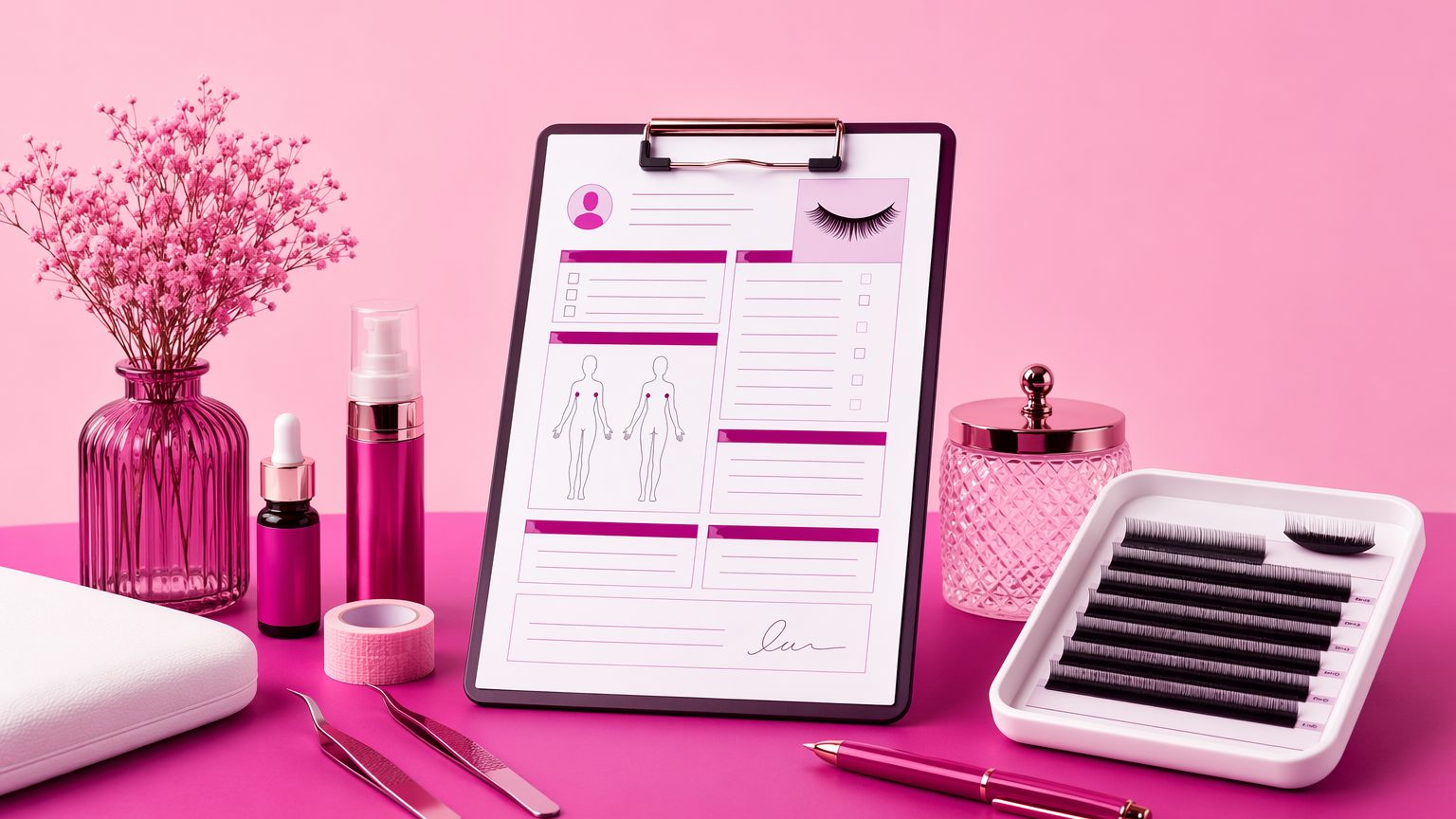
How to Create a Lash Extension Patch Test and Allergy Screening Form Before First Appointments
A good lash extension patch test form does more than collect a signature. It helps you gather key details before the service, flag potential sensitivities, and keep a clear record of what the client shared and what you discussed.
For first appointments, that matters. Instead of asking everything at check-in, you can review answers in advance and start the visit with better context. The goal is simple: organized intake and informed communication, not promises about outcomes.
Why this form matters before first appointments
A lash extension allergy screening form gives you a structured way to ask about past reactions, eye-area history, and product sensitivities before you apply lash products. That helps you prepare for the appointment and decide whether you need follow-up questions.
It also makes the first visit smoother. When clients complete a lash appointment form ahead of time, you spend less time chasing basic details and more time focusing on the service.
Just as important, the form creates a record. You can document what the client disclosed, what was explained, and what they acknowledged before the appointment. That is useful for day-to-day operations and for keeping client files complete.
When to use a patch test form in your lash intake process
Many lash artists send a lash patch test form as soon as a client books. Others include it in the confirmation flow or send it 24 to 48 hours before the visit. The best timing depends on your service flow and how you handle first-time appointments.
In many businesses, this screening step sits alongside a separate lash extension intake form and lash extension consent form. One form can collect background and allergy information, while another covers service consent and policies.
Your process should match your products, booking timeline, and professional judgment. A digital form works especially well here because clients can complete it on their phone before they arrive.
Core client details to collect first
Start with the basics so each submission is tied to the right person and appointment.
Include these top-of-form fields
- Full legal name
- Preferred name
- Date of birth
- Whether the client is a minor, if relevant to your business
- Phone number
- Email address
- Emergency contact, if required in your intake process
- Date the form was completed
- Appointment date
These details keep your lash client intake form organized and make future follow-up easier.
Allergy and sensitivity questions to include
This is the core of an allergy screening form for lash extensions. Keep the questions simple, clear, and easy to answer on mobile.
Ask about common product categories
Use yes/no questions with a field for details. Ask whether the client has known allergies or sensitivities to:
- Adhesives
- Latex
- Tapes
- Gels
- Removers
- Cleansers
- Fragrances
- Skincare products
Then include a free-text field asking them to describe any prior reaction, such as swelling, itching, redness, irritation, or watery eyes.
Also ask whether they have had reactions to previous lash extension services or other eye-area beauty services. If contact lens use affects your prep process, include that too.
Health and eye-area history questions that can affect service decisions
Your eyelash extension consultation form should also cover recent eye-area history that may affect comfort or timing.
Consider asking about:
- Current eye irritation or dryness
- Recent styes or conjunctivitis
- Eye infections
- Recent eye procedures, if relevant to your intake policy
- Prescription eye drops or topical products used around the eye area
- Seasonal allergies or excessive tearing
- Recent reactions to skincare, waxing, tinting, or facials near the eyes
Keep the wording practical. You are collecting relevant history for intake, not giving medical advice or making medical claims.
Patch test-specific fields to add
If patch testing is part of your process, add a short section that captures the details clearly.
Useful patch test fields
- Date and time the patch test was performed or scheduled
- Products used during the patch test, such as adhesive type or related materials
- Area tested and method used, if you document that internally
- Instructions given to the client on what to watch for afterward
- Follow-up outcome field noting whether the client reported any reaction before the full appointment
This turns a basic lash extension patch test form into a more complete service record.
What the client should acknowledge on the form
Your form should include plain-language acknowledgments that are easy to understand.
For example, the client can confirm that:
- The information provided is accurate and complete to the best of their knowledge
- Sensitivities and allergic reactions can vary and may not always be predictable
- They will notify you if symptoms develop before the appointment
- The patch test or screening process does not replace medical advice
Keep this section factual and balanced. Avoid language that promises safety or suggests the form guarantees compliance.
Consent, signature, and recordkeeping best practices
A strong digital lash intake form should be fast to complete and easy to store.
Include an electronic signature field and the date signed. If you use a separate lash extension consent form, make sure the screening form connects clearly to that record so your team can see the full intake history in one place.
It also helps to use standardized fields across your forms. That makes repeat appointments easier to review when clients come back for fills, product updates, or changes in health history.
Most important, store everything in one searchable client file. If a team member needs to review a prior patch test or past sensitivity note, they should be able to find it quickly.
Common mistakes to avoid
A lot of intake problems come from forms that are too vague or too hard to use.
Watch out for these common issues:
- Asking only “Any allergies?” without listing common product categories
- Collecting too little detail about symptoms, timing, or prior reactions
- Combining policies, consent, screening, and aftercare into one long form
- Using legal or medical wording clients do not understand
- Failing to review submitted answers before the client arrives
- Relying on paper files that are hard to search or easy to lose
A clear lash extension allergy screening form should feel straightforward, not overwhelming.
A simple structure you can use
If you are building your form from scratch, keep it simple:
Section 1: Client information
Basic identity and appointment details.
Section 2: Allergy and sensitivity screening
Questions about adhesives, tapes, removers, fragrances, and past reactions.
Section 3: Eye-area and recent service history
Current irritation, recent procedures, seasonal allergies, and nearby beauty services.
Section 4: Patch test details
Date, products used, instructions, and follow-up outcome.
Section 5: Client acknowledgment and signature
Accuracy statement, communication expectations, and e-signature.
Use required fields only where necessary so the form stays quick and mobile-friendly.
How digital forms make first appointments easier for lash artists
A digital lash extension intake form helps clients complete everything before they walk in. You can review allergy flags ahead of time, prepare any follow-up questions, and keep signed records organized without sorting through paper.
That becomes even more useful later. Searchable digital records make return appointments easier because you can quickly check past answers, patch test notes, and updates before a fill or new set.
If you want a cleaner way to build a lash extension patch test form, collect signatures, and keep client records organized in one place, GlowForms helps beauty businesses create mobile-friendly intake forms that fit the way real appointments run.