How to Create a Client Intake Form for Bridal Hair and Makeup Trials
8 min read
A great bridal hair and makeup trial questionnaire does more than collect contact details. It helps you catch the details most likely to create stress later: timing gaps, product sensitivities, unrealistic inspiration, accessory conflicts, service-count changes, and setup limitations that can disrupt a wedding morning. For bridal beauty pros, a strong pre-trial questionnaire is most valuable when it helps prevent avoidable surprises before they affect the trial or the wedding day itself.
A structured bridal hair and makeup questionnaire gives you usable context before the appointment starts. Instead of piecing together details from DMs, texts, and emails, you can review the bride’s preferences, event logistics, and beauty history in one place and identify where problems might show up.
That matters because bridal services are highly personal and timeline-sensitive. Missing a note about lash sensitivity, hair extensions, or the ceremony schedule can create last-minute complications that ripple through the entire booking. A clear questionnaire helps you spot what needs follow-up, reduce repeated questions during the appointment, and make trial time more focused and efficient.
It also improves the client experience. Brides are busy, and mobile-friendly questionnaires make it easy to submit everything on their phones when convenient. For your team, digital responses keep every detail searchable and easy to reference when confirming timelines, product choices, and service expectations after the trial.
Your bridal beauty trial questionnaire should do four things well:
It should also look polished and be simple to complete. If the questionnaire feels confusing or overly long, clients may skip important fields. The best questionnaires are clean, professional, and stored in a searchable client record system so the information can be reviewed, updated, and used to prevent miscommunication later.
Begin with the basics:
Then move into wedding logistics:
These details are the foundation of any bridal trial questionnaire. You can also add “How did you hear about us?” to track referrals and marketing performance.
If timeline coordination matters, include optional fields for the planner, coordinator, or photographer. Those contacts can become important later if questions come up about arrival time, access, or schedule changes.
This is where your bridal makeup questionnaire or bridal hair questionnaire becomes especially useful. Ask the bride to describe her ideal look in her own words before she sits in your chair, then guide her with more specific prompts so you can identify where expectations may need clarification based on timing, hair type, skin needs, and wear.
Helpful questions include:
For makeup, ask about:
For hair, ask about:
You can also ask how comfortable they are with glam intensity. Some brides want soft and natural; others want a more elevated photo-ready finish.
A beauty look only works if it fits the client’s real hair and skin needs. Your beauty client questionnaire should ask about:
Also include questions about recent facial treatments, spray tans, brow services, or cosmetic procedures. For hair, ask about scalp issues if relevant. This information helps you identify what products, prep, and techniques may cause problems or require adjustments well before the wedding day.
Every salon questionnaire for bridal beauty should include clear safety questions. Ask about allergies or sensitivities related to:
You may also want to ask about sensitive eyes, contact lens use, eczema, psoriasis, migraines, or respiratory sensitivities if they affect service delivery.
Keep the wording simple and explain why you’re asking. For example: “This information helps us choose suitable products and provide a safe, comfortable service.” Include a checkbox confirming that health and allergy details are accurate to the best of the client’s knowledge.
A strong bridal beauty planning questionnaire should cover timing and service logistics, not just beauty preferences.
Ask:
You should also collect notes about parking, venue access, setup limitations, travel time, first look timing, and touch-up needs. These questions help you catch scheduling conflicts and operational issues before they become wedding morning surprises.
The trial is also about managing expectations. Ask what the bride most wants to confirm, such as:
Include a question about what has not worked well in past beauty services. That can reveal likely pain points quickly.
After the appointment, add space in the record for post-trial notes, approved style details, product choices, and any changes requested for the wedding day. This step is where questionnaire responses become especially valuable, because they help you compare what the bride expected with what was actually approved and what still needs attention.
Your questionnaire should end with clear acknowledgments for:
If you use images for your portfolio, add optional consent for before-and-after photos, website use, and social media sharing. Digital signatures make this quick and easy, especially on mobile.
Keep policy language readable. Brides are more likely to understand and complete a questionnaire that uses short, plain-English statements instead of dense paragraphs.
Good structure increases completion rates. Organize your digital client questionnaires for beauty businesses into clear sections:
Use conditional logic whenever possible. For example, only show extension questions if the client says she wears extensions. Use dropdowns, checkboxes, file uploads, and long-text fields where they make sense. Most importantly, make sure the questionnaire is mobile-friendly.
Avoid these common issues when creating a bridal hair and makeup trial questionnaire:
A questionnaire is only useful if it actually helps you prevent problems in preparation and service delivery.
Review responses before the appointment so you can prep the right tools, products, and references. Use the questionnaire to spot possible concerns, confirm timing, and decide what needs clarification during the trial.
After the trial, update the client record with approved details, note any revisions from the original responses, and share relevant information with any team members involved. That way, the wedding day service feels consistent, personalized, and less vulnerable to last-minute issues.
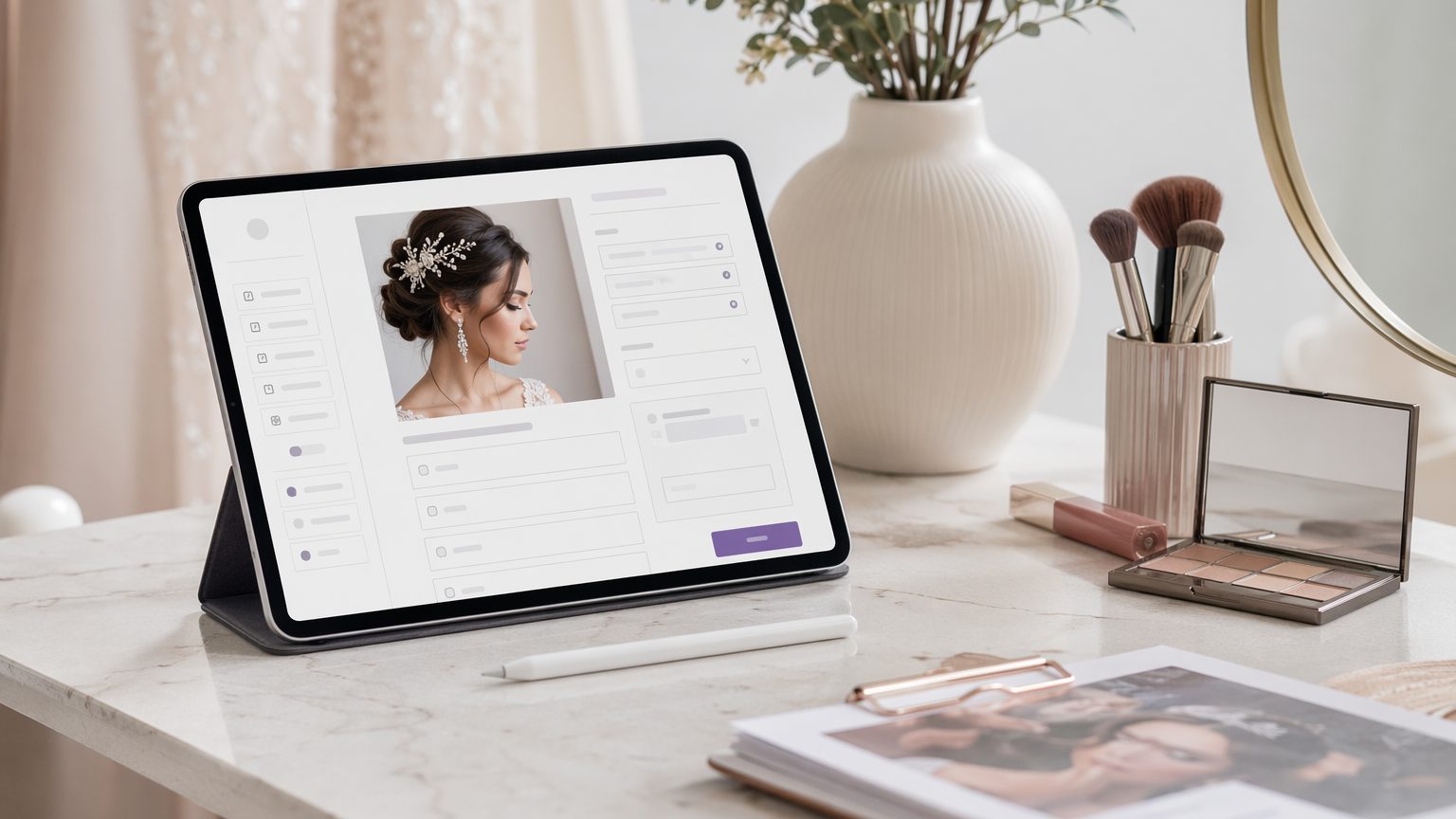
Digital forms save time across the entire process. They streamline collection, signatures, recordkeeping, and searchability in one place. A drag-and-drop builder also makes it easier to create polished, branded questionnaires without extra admin work.
For bridal businesses, that means faster turnaround, fewer missed details, and easier access to client history. Organized digital records make it easier to identify risks early and move from inquiry to trial to final wedding day execution with fewer surprises along the way.
The best bridal hair and makeup trial questionnaire combines beauty preferences, health details, logistics, and consent in one easy-to-complete workflow. But its real value comes from how you use those responses to catch problems early, set clearer expectations, and reduce avoidable wedding day stress.
If you want a better way to create, send, collect signatures, and store bridal questionnaires, use Glow Forms to build mobile-friendly forms that keep every client record organized and ready when you need it.
Gifts don’t need bows and big budgets. Use small, thoughtful touches—welcome kits, milestone notes, minis at the mirror—that feel personal and spark rebooks.

The right pre-booking questions save time, prevent mismatched appointments, and help new clients feel clearer, safer, and easier to guide from the start.

GlowForms reminders aren’t “don’t forget your appointment” nags. They’re polite nudges to finish intake forms before clients arrive—so you start on time and sta