Client Allergies: What You Need to Ask Before Every Appointment
3 min read
Here’s the scene: your 10 a.m. sits down, eyes puffy from a “new serum,” and you’re guessing whether your adhesive will be the villain. That’s how good days unravel.
Let’s make allergy checks boring—in the best way. Short, consistent, and baked into every appointment.
Ask every time. Even regulars change products, meds, and seasons. Today’s “no issues” can be next month’s flare-up.
Any allergies or sensitivities since your last visit?
Examples: latex, adhesives, lidocaine, fragrances, botanicals, nickel.
Any new skincare, haircare, or treatments in the past four weeks?
Look for retinoids, acids, lash serums, peels, injectables.
Any new medications or dosage changes?
Especially antibiotics, isotretinoin, blood thinners, steroids, antihistamines.
Any reactions to similar services or products before?
Redness for hours, swelling, itching, stinging—note duration.
Anything else that might affect today’s service?
Recent illness, sunburn, broken skin, pregnancy, contact lens wear.
Why this works: it’s fast, it’s specific, and it catches 90% of avoidable drama.
Active rash, infection, sunburn: reschedule, explain why, add notes.
Recent retinoid/acid use near treatment area: adjust formula or timing.
History of swelling to adhesives, dyes, numbing: consider a different product or a patch test.
New meds + thin/fragile skin: reduce intensity; avoid exfoliants or heat.
If local laws or insurer rules apply to patch testing or consent wording, follow those first—they vary by region.
Opening: “Quick allergy check—anything new since your last visit?”
Clarify: “When you say ‘tingly,’ was it seconds or hours?”
Pause or pivot: “Let’s switch to the gentler formula today.”
Reschedule kindly: “Your skin’s irritated—safer to wait a few days. I’ll hold a slot for you.”
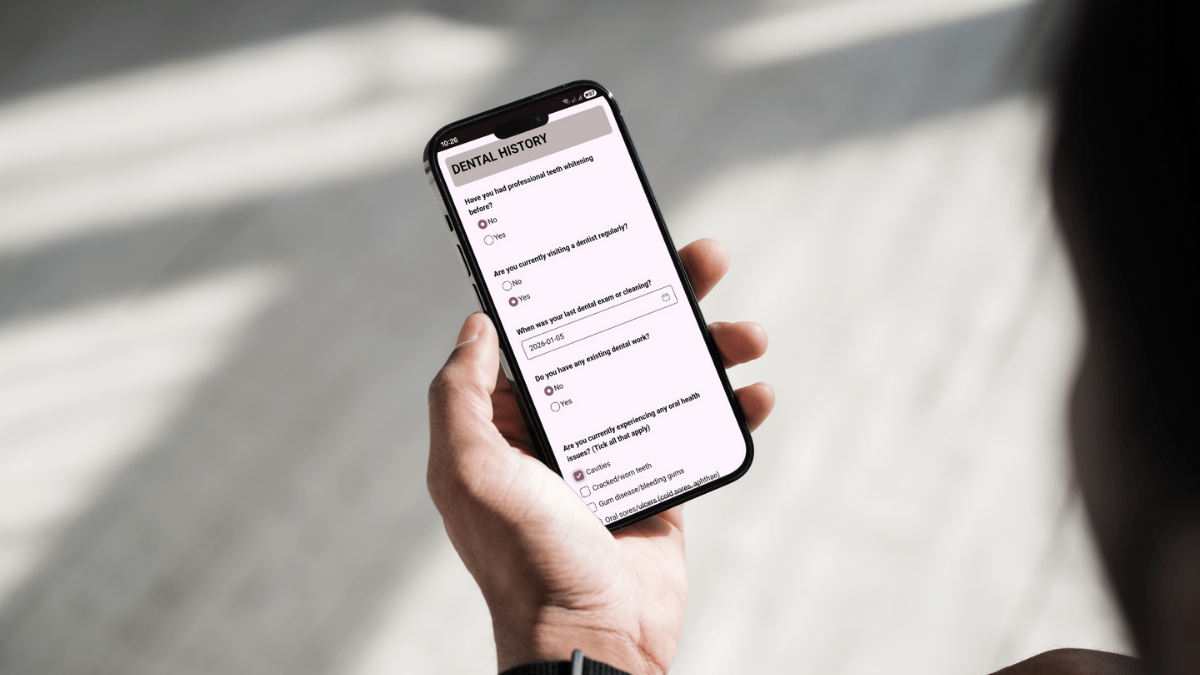
One-tap updates for returners: “Anything changed? Yes/No.” If Yes, reveal the five questions.
Examples in the field label: “e.g., latex, adhesives, lidocaine.”
Photo upload: let clients show the product or past reaction.
Timestamp + signature: protect both sides.
Surface flags in the client record: a banner that says “adhesive sensitivity” beats digging through notes.
Lash fill: Client started a new lash serum. You switch to a sensitive adhesive and shorten wear-time expectations upfront.
Brow tint: They mention “itchy for a day last time.” You patch test, book tint for next week, and do a shape tidy today.
Facial: New retinol. You skip strong exfoliants, add barrier support, and leave with a calm face instead of a story.
Send one short message after the appointment:
“If you feel heat, itching, or swelling, stop products and reply here.”
List the avoid-for-24-hours items relevant to the service.
Add a quick link to your reaction policy and who to contact.
Log the five answers, the product choices you made, and any adjustments.
Note who approved changes (you, senior tech, client).
Photograph labels for unusual products when clients bring their own.
Do this every time and “allergies” stop being scary; they become a quiet part of your safety habit.

Gifts don’t need bows and big budgets. Use small, thoughtful touches—welcome kits, milestone notes, minis at the mirror—that feel personal and spark rebooks.

The right pre-booking questions save time, prevent mismatched appointments, and help new clients feel clearer, safer, and easier to guide from the start.

GlowForms reminders aren’t “don’t forget your appointment” nags. They’re polite nudges to finish intake forms before clients arrive—so you start on time and sta