
Local SEO for Salons: The Small Fixes That Matter Most
7 min read
A lot of salons think local SEO is some big technical project they will get to later.
Usually after the busy week.
After the content plan.
After the website tweaks.
After the hundred smaller things already shouting for attention.
Meanwhile, the basics stay messy.
Wrong opening hours.
Thin location pages.
No real service wording.
A Google Business Profile that has not been touched in ages.
Reviews sitting there unanswered like nobody lives at the business.
That is the thing about local SEO.
It is often not dying because of one huge mistake. It is just being quietly weakened by lots of small neglect.
People like to talk about rankings as if that is the whole game.
It is not.
For salons, local SEO is also about helping nearby clients feel confident enough to click, call, or book. That means your business needs to be easy to find, easy to understand, and easy to trust.
When someone searches for a salon near them, they are not usually in the mood to investigate deeply. They want fast reassurance.
Are you nearby?
Do you offer the service they want?
Do you look legitimate?
Are you still open?
Can they tell what kind of salon you are?
Do other people seem happy?
A lot of “SEO” problems are really clarity problems.
This is usually the first place to tighten.
Because many salons treat it like a listing when it is actually one of the main things shaping whether a local client notices you at all.
If the profile is half-complete, outdated, or vague, you are wasting one of the strongest local signals you have.
The basics matter here more than people want them to.
Correct business name.
Correct phone number.
Correct address.
Correct opening hours.
A useful business description.
Up-to-date photos.
Relevant service categories.
Not glamorous. Still powerful.
A lot of local SEO gets stronger simply because the salon finally stops sending mixed signals.
This is another common issue.
Salons often name services in a way that makes sense internally, then wonder why those pages are not pulling much search traffic.
Clients are not always searching the polished version.
They are typing things like:
balayage salon near me
gel nails in [city]
bridal makeup artist [location]
hair extensions salon near me
keratin treatment [town]
lash lift salon [area]
If your service pages are too thin, too vague, or too aesthetic to say plainly what the service actually is, you are making search engines and humans work harder than they should.
Clear wording wins here.
Not robotic keyword stuffing. Just clear, location-aware service language that matches how people actually search.
They also help with visibility.
And yet so many salons treat reviews like a nice bonus instead of an active local SEO signal.
A stronger review profile helps in two ways.
First, it gives search platforms more confidence that your business is real, active, and relevant. Second, it gives humans the kind of reassurance they actually use when comparing local options.
Nobody says, “I chose that salon because the technical local signals were strong.”
They say, “It had loads of good reviews and seemed legit.”
Same outcome.
The fix here is not complicated. Ask more consistently. Make it easy. Keep the request natural. Then actually respond to reviews so the profile feels alive, not abandoned.
This sounds obvious. It still goes wrong constantly.
Some salon websites make the location surprisingly hard to confirm. The address is buried. The service area is unclear. The city is barely mentioned. The footer is thin. The contact page feels like an afterthought.
That is bad for users and bad for local SEO.
Search engines are trying to understand where you are relevant. Clients are trying to confirm you are close enough to bother with. Help both.
Mention the location naturally across key pages. Include it in service pages where relevant. Make sure your contact details are easy to find. Add useful local context where it makes sense.
Not twenty awkward mentions of the town name.
Just enough clear location information that nobody has to guess.
This is not only about making the salon look nice.
Fresh, believable photos help local trust signals in a big way. They make the business feel real, current, and active. That affects how people respond to your listing before they ever reach the website.
A salon with recent interior shots, team photos, treatment images, and realistic work examples feels more alive than one with a logo and two grainy pictures from years ago.
That matters.
Because local search is often a fast filtering process. People are making quick judgments. Photos are part of that judgment.
Sometimes the Google listing is decent, then the website ruins the mood.
The homepage is unclear.
The menu is messy.
The services are hard to compare.
The booking path is annoying.
The mobile version feels neglected.
Nothing answers obvious first-time client questions.
That drop matters.
Local SEO is not only about getting found. It is also about what happens once someone lands.
If the website creates friction, your visibility is doing less for you than it should.
Because this is the part that gets ignored while everyone keeps designing from desktop.
A lot of salon searches happen on phones. Local discovery often happens on phones. Last-minute comparisons happen on phones. Direction checks, opening hours, and booking clicks happen on phones.
So if your mobile site is awkward, slow, cluttered, or hard to navigate, you are damaging the exact kind of traffic local SEO is supposed to bring.
The client should be able to land, understand, trust, and act without pinching, zooming, or hunting around.
That is not a bonus anymore. It is the baseline.
This is where some salons overdo it and others do nothing.
You do not need endless blog posts stuffed with city names.
But a little location-aware content can help when it supports real searches. Service pages mentioning the area you serve. FAQs that answer local booking questions. Pages that speak clearly about in-salon services available in a specific town or city.
Useful local content helps connect your salon to nearby search intent.
The key word is useful.
Not repetitive. Not spammy. Useful.
This is the boring fix that keeps proving its worth.
If your salon name, address, phone number, booking link, or opening hours are inconsistent across platforms, that creates confusion. For search engines and for people.
Your Google profile says one thing.
Your Instagram bio says another.
An old directory has the old number.
Facebook still shows outdated hours.
This weakens trust in quiet ways.
A simple clean-up across your main online profiles can make a bigger difference than people expect, especially if those details have been drifting for a while.
That is the truth most people do not want.
It would be more fun if local SEO were about one clever hack.
Usually, it is about maintenance.
Tidier listings.
Clearer service pages.
More reviews.
Better location signals.
Stronger mobile experience.
Up-to-date photos.
Consistent business details.
None of that is thrilling.
All of it helps.
That is the real point.
A lot of salons treat local SEO like a search engine puzzle. It is partly that. But it is also a trust and clarity problem.
If someone nearby finds you, can they quickly tell:
what you do
where you are
whether you are active
whether clients like you
whether the salon feels right for them
how to take the next step
If not, small fixes are probably sitting there waiting.
And those small fixes matter because local SEO is rarely won through one dramatic move. It gets stronger when your salon becomes easier to find, easier to understand, and easier to say yes to.
That is what makes the difference.
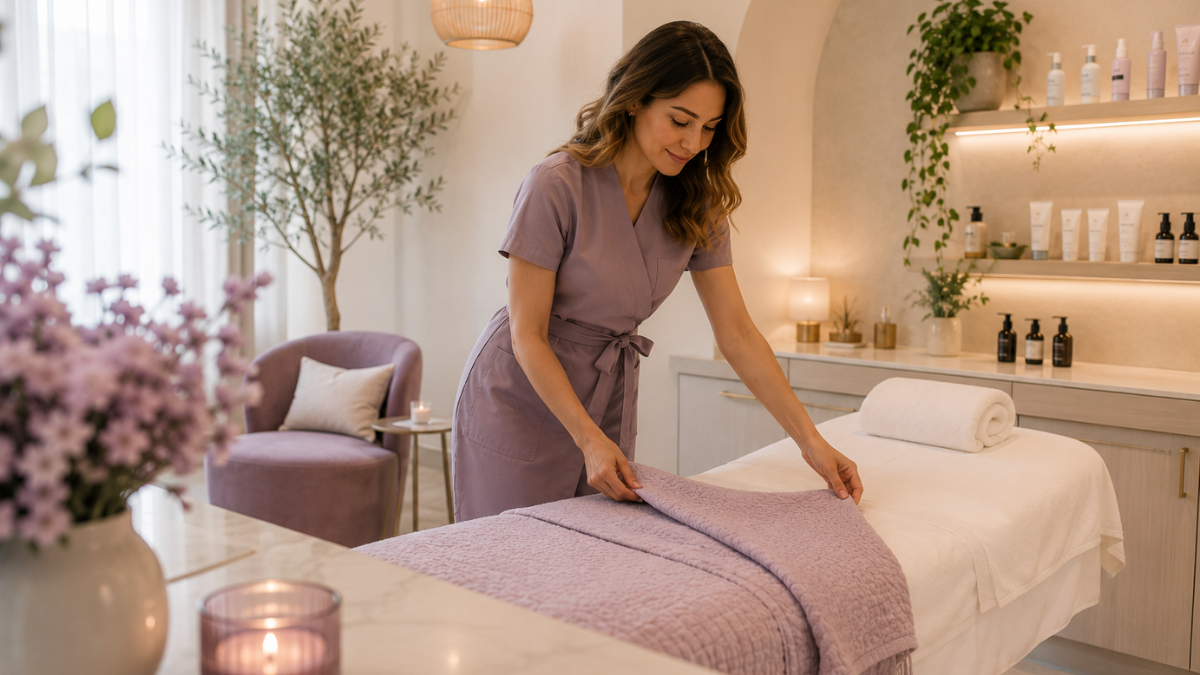
Luxury in beauty is rarely about expensive décor. Small details, smoother systems, and thoughtful client care create a far more premium experience.
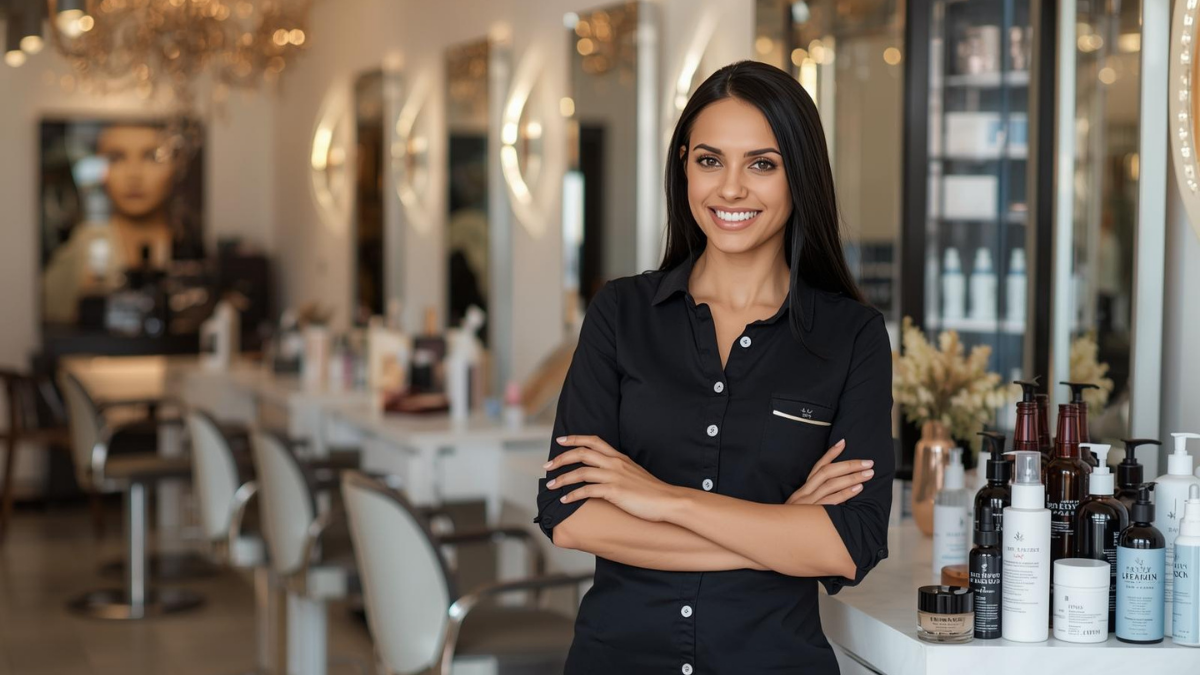
Gifts don’t need bows and big budgets. Use small, thoughtful touches—welcome kits, milestone notes, minis at the mirror—that feel personal and spark rebooks.

The right pre-booking questions save time, prevent mismatched appointments, and help new clients feel clearer, safer, and easier to guide from the start.