How to Use Your Form as a Marketing Tool
Most salon marketing is fighting for attention in the noisiest place on earth: Instagram.
Your form is different.
When someone opens an intake or consultation form, they’re already saying, “I’m doing this.” They’re focused. They’re thinking about your service. They’re actually reading (at least a little).
That’s rare.
So yes—your form can be a marketing tool. Not in a spammy “BUY NOW” way. In a calm, professional “this is why you can trust us” way.
Here’s how to use your form to sell the right things: safety, standards, clarity, and next steps.
First: what “marketing” should mean inside a form
If your form feels like a brochure, clients will rush it and resent it.
In a form, marketing should do three things:
reduce uncertainty (“Am I safe here?”)
set expectations (“What happens next?”)
make a clean next step obvious (“How do I continue?”)
That’s it. Your form shouldn’t be trying to convince someone you’re amazing. It should quietly prove you’re organized.
1) Use branding to signal professionalism
This sounds small, but it matters.
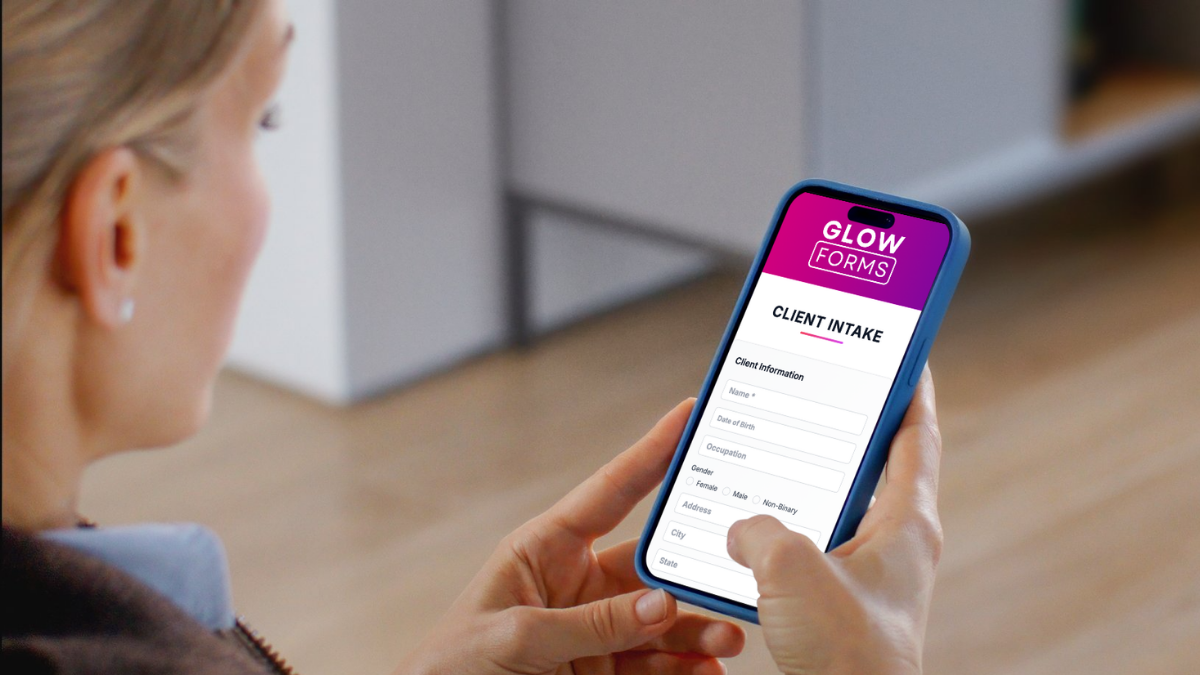
A branded form (logo, colors, consistent tone) tells a client:
“This isn’t a random link. This is a real business with standards.”
It’s the difference between “clinic” and “chaos.”
Keep it subtle. No glitter fonts. Just clean, consistent, recognizable.
2) Add one “why we ask this” line to key questions
The fastest way to get better answers is to explain the point.
Example:
“Allergies and sensitivities (e.g., adhesives, latex, fragrance) — we ask so we can tailor products and keep you comfortable.”
That one line does two things at once:
clients answer more accurately
clients feel cared for, not interrogated
And that’s marketing: you’re selling safety and attention to detail.
3) Bake trust into the flow with micro-assurances
Clients are quietly wondering:
who sees this info?
will I be judged?
will this be used to upsell me?
will I get spammed?
You can calm that with one sentence in the right place:
“We only use this info to tailor your treatment and keep you safe.”
No legal essay. Just reassurance.
If you handle personal data, make sure you’re compliant with your local rules (GDPR, etc.) and link to the full policy. Keep the form itself human.
4) Use the form to pre-qualify the right clients
This is where it gets powerful.
A good form doesn’t just collect info. It filters problems before they land in your chair.
Examples:
“Are you currently using retinoids or strong actives?” (for skin services)
“Have you had reactions to tint/adhesives before?” (for lashes/brows)
“What look are you aiming for?” with clear options (natural / defined / full)
When you do this, you reduce:
wrong bookings
expectation mismatches
mid-treatment surprises
refunds and complaints
And the client experience feels smoother, which is the best marketing there is.
5) Include one tiny “what to expect” section
People feel safer when they know what’s about to happen.
Add a short block like:
“Today’s appointment will include: consultation, treatment, aftercare guidance. If anything feels uncomfortable, tell us and we’ll pause.”
This isn’t fluff. It sets the tone that you’re in control and they’re safe.
6) The sneaky conversion move: ask about rebooking before they even arrive
This is not about forcing a commitment. It’s about normalising the rhythm.
Add a simple question near the end:
“Would you like us to hold your recommended next appointment window?”
Options: Yes / No / Remind me later
It plants the idea that maintenance is normal. Clients don’t feel sold to. They feel guided.
Then at checkout you can say:
“You ticked ‘yes’ to holding a window—do you prefer early, lunch, or late?”
Smooth. No awkward pitch.
7) Turn aftercare into a link, not a lecture
Aftercare is where you lose people. They nod in the chair, then immediately forget the details the moment they see daylight.
In your form confirmation screen, include:
“Your aftercare is here” with a link
one line with the most important rule (“Keep lashes dry for 24 hours”)
That reduces issues later and makes clients feel supported. Supported clients come back.
8) Use GlowForms reminders as “service quality,” not chasing
This is important: GlowForms reminders (as you said) are for completing intake, not for the booking.
That’s great, because it frames the reminder as:
“Finish your form so we can take care of you properly.”
Not:
“Don’t forget you exist.”
A reminder that helps the treatment feel safe and organised is marketing without trying.
A small story (because this is what it looks like in real life)
A client books a facial. She’s nervous because her skin reacts to everything and she’s had one too many “it’ll be fine” experiences.
She gets your form link. The tone is calm. The questions are clear. The allergy question gives examples. There’s a one-line reassurance: “We ask this to keep you comfortable.”
She finishes it on her phone the night before. You read it in the morning and see: new retinol, fragrance sensitivity, wants “calm not glow.”
When she arrives, you don’t interrogate her. You say:
“Thanks for filling the form. We’ll keep everything fragrance-light and barrier-friendly today.”
That’s marketing.
Not because you advertised. Because you delivered a feeling: “I’m safe here.”
Keep it clean: the do’s and don’ts
Do:
keep it short and mobile-first
explain why you ask sensitive questions
include one trust line about data use
make the next step obvious (aftercare link, rebooking option)
Don’t:
add a paragraph about your awards
cram the form with upsells
make clients opt into marketing to submit
guilt people into anything
Your form is part of the experience. Treat it like one.