
How to Create an Unforgettable Client Goodbye Experience
3 min read
Payment. Rush. “Bye lovely!” Door closes. Next client walks in. And the person you just spent an hour caring for leaves with… nothing to hold onto except a receipt and a vague memory.
The goodbye is not admin. It’s the final 60 seconds of the experience. It’s where clients decide if you’re “nice” or if you’re their place.
Here’s how to build a goodbye that sticks.
A great client goodbye does three things:
Confirms the result (so they feel good about what they bought)
Makes aftercare easy (so results last and complaints drop)
Guides the next step (so rebooking isn’t awkward)
That’s it. No confetti required.
Before you talk about money, lock in the win.
“This shape really opens your eyes.”
“Your skin looks calmer already.”
“This curl suits you—soft but noticeable.”
Be specific. One detail. Not a generic “gorgeous.”
Why it works: people remember what you point at.
Clients don’t want a TED Talk when they’re putting their coat on.
Pick one rule that prevents most issues and say it out loud:
Lashes: “Keep them dry for the first day and avoid steam.”
Brows: “No heavy oils on the area for the first day.”
Skin: “Skip actives tonight—just gentle cleanse and moisturiser.”
Then hand them (or text them) the rest.
Your job is to reduce mistakes, not prove you know things.
Not a brochure. A small anchor.
Options that work:
a tiny aftercare card with a QR link
a digital aftercare message sent right after checkout
a “what we used today” note inside their client record (so you’re consistent next time)
The point: they leave with confidence, not questions.
Don’t ask, “Do you want to rebook?” That invites “I’ll check my diary.”
Instead, offer a hold like it’s normal (because it should be):
“Most people come back in six weeks. Want me to hold your usual time?”
“Early, lunch, or late—what suits you?”
“I can pencil it in and you can adjust later.”
If they hesitate, give a soft landing:
“No problem—shall I send two options tomorrow?”
The secret is specificity. Choices beat open-ended questions.
This is where loyalty lives: small remembered details.
“Good luck at your interview—text me if you want makeup tips for the day.”
“Next time we’ll stick with this shade, it really works on you.”
“I’ve noted your sensitivity, we’ll keep using the gentle option.”
It’s not big talk. It’s proof you paid attention.
Use this, word for word if you want:
Result: “This lift really brightens your eyes.”
Aftercare: “Keep them dry today—no steam.”
Next step: “Shall I hold the same time in six weeks—early, lunch, or late?”
Warm close: “Message me if anything feels off. See you soon.”
That’s a full premium send-off in under a minute.
A photo moment (if they want it): “Want a quick after pic for your file?”
A comfort cue: “Water before you head out?”
A tiny surprise: a sample that actually matches what they need (not random)
Do one, not all three. Too much turns into theatre.
They save aftercare for the end and ramble.
They ask for rebooking at the door, when the client’s brain is already outside.
They rely on memory instead of notes.
They skip the “anything feels off” line, then get a stressed message at midnight.
Your goodbye should prevent the drama before it starts.
If you want this to work, it needs to be a system, not a “when we remember” thing.
Put the script at checkout. Add aftercare QR cards. Train one rebooking line. Log preferences.
That’s how “nice appointment” turns into “I’m never going anywhere else
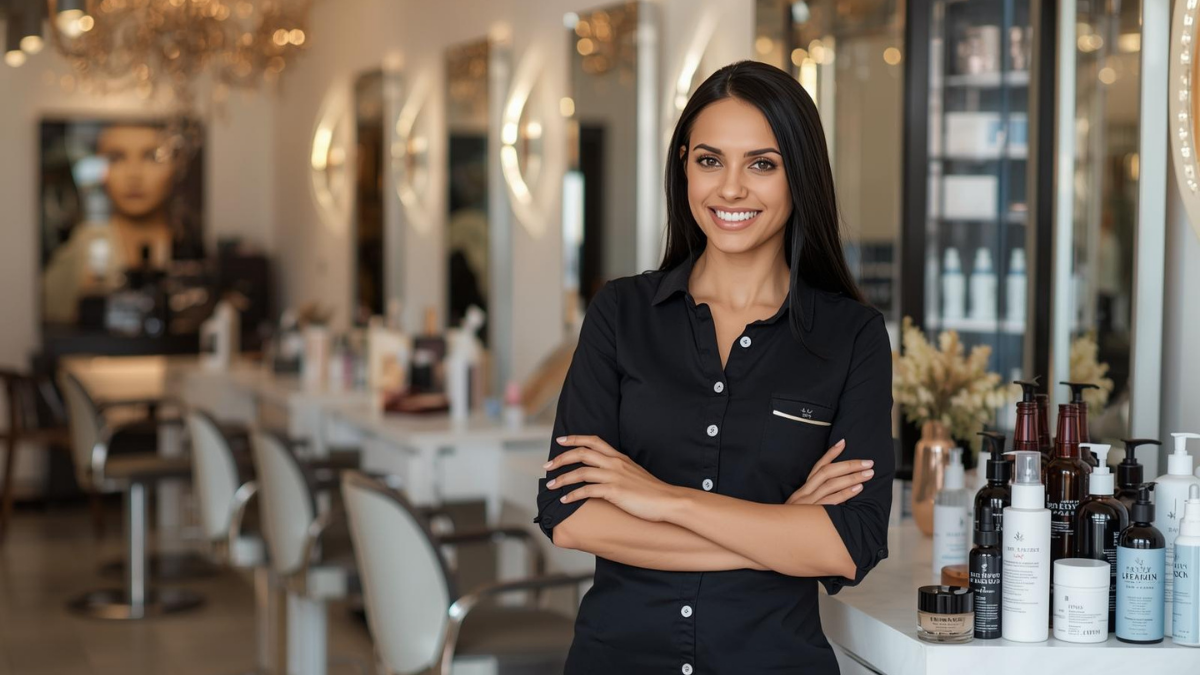
Gifts don’t need bows and big budgets. Use small, thoughtful touches—welcome kits, milestone notes, minis at the mirror—that feel personal and spark rebooks.

The right pre-booking questions save time, prevent mismatched appointments, and help new clients feel clearer, safer, and easier to guide from the start.
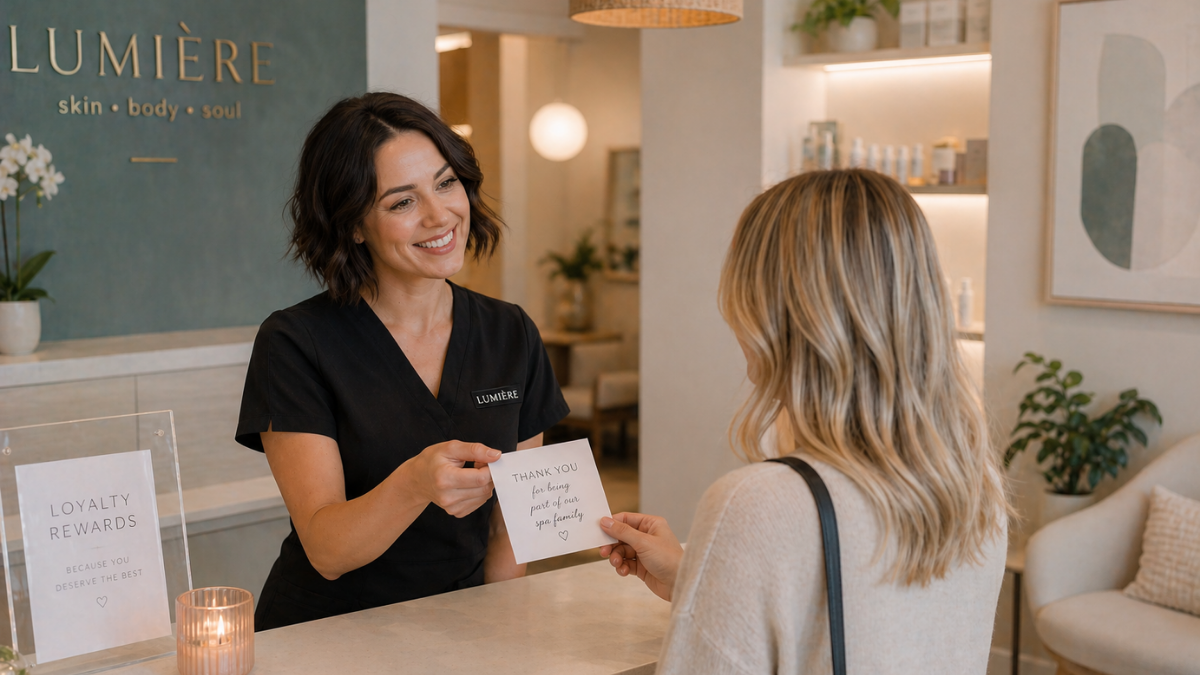
Loyal clients do not stay because you are the cheapest. They stay when the experience feels consistent, personal, professional, and worth coming back for.