How to Create a Med Spa New Patient Intake Form That Covers Medical History, Consent, and Treatment Readiness
7 min read
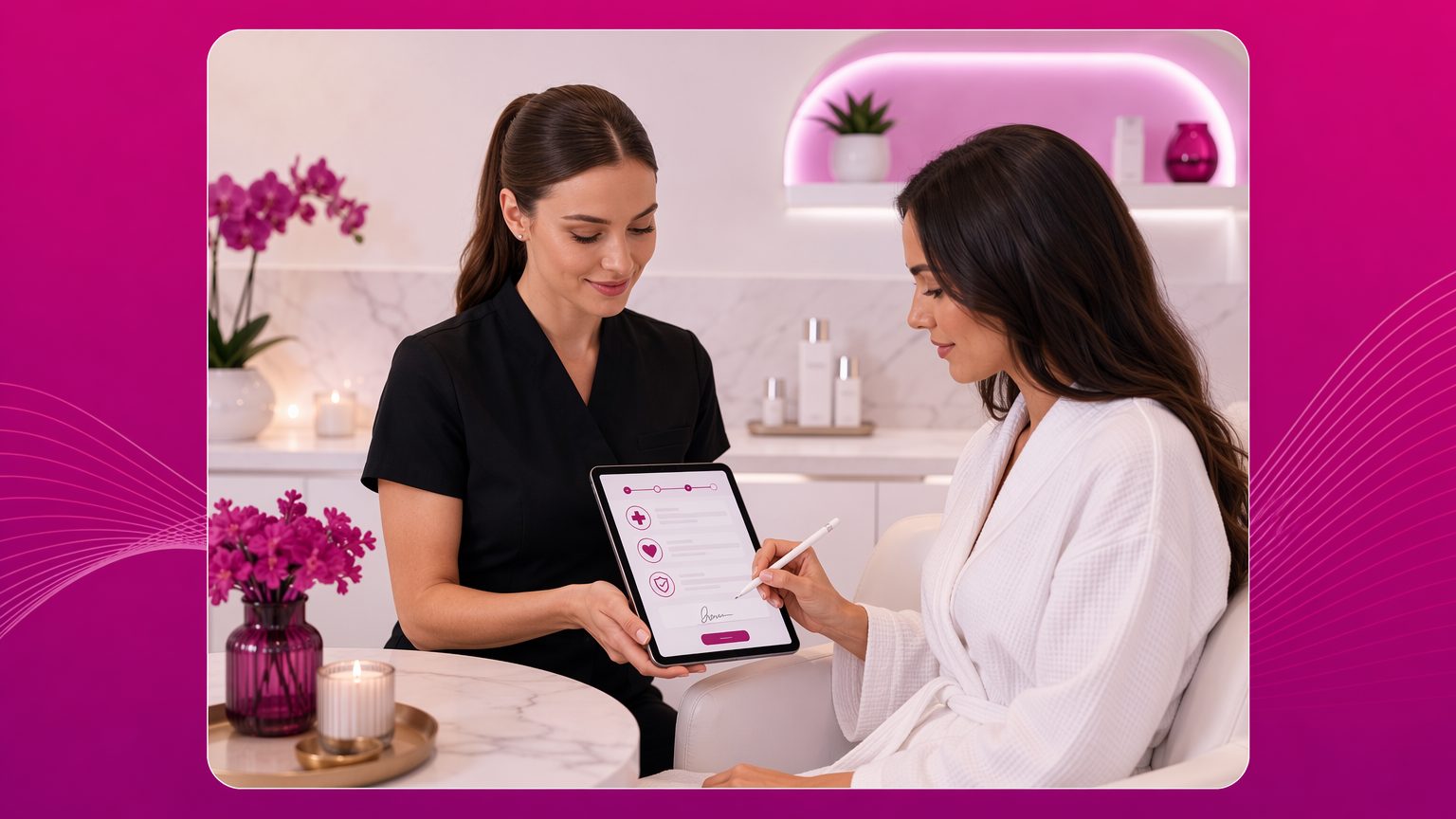
A busy med spa rarely has time for slow check-ins, missing answers, or last-minute paperwork questions. A strong med spa new patient intake form does much more than collect contact details. It helps you gather medical history, document consent, and spot treatment-readiness issues before the appointment starts. The goal is simple: stay organized, keep the visit moving, and create a more consistent experience for every new client.
A good med spa intake form should do three jobs well. First, it should collect the basic information your team needs to identify and contact the client. Second, it should support informed consent with clear acknowledgements and signatures. Third, it should prepare the provider for a safe, efficient consultation by surfacing relevant health details before treatment is discussed.
It should also support your workflow after check-in. Intake is not just a front-desk task. It is part of recordkeeping, appointment prep, and repeat-visit consistency. When clients can complete forms on their phone before arriving, the whole process feels smoother for both the client and your staff.
Every patient intake form for med spa services needs a clear foundation. Start with:
Then add appointment details that help your team route and review the form correctly:
This information may seem simple, but it matters. Accurate contact and demographic details make records easier to find later, support follow-up communication, and reduce confusion when clients return for future services.
Your med spa medical history form is one of the most important parts of the intake process. It should help your team understand the client’s current health picture without forcing them through long, confusing paragraphs.
Include plain-language yes/no questions with room for details on topics such as:
You can also add service-specific prompts when needed. For example, a medical spa intake form may ask about prior injectables, laser treatments, chemical peels, or past reactions to skincare products.
Keep the wording practical. “Do you have any medication allergies?” is easier to answer than a dense block of text. If the answer is yes, provide space to explain. Review and customize this section based on the services you actually offer. A form should support your consultation process, not act as medical advice or a guarantee that treatment is appropriate.
General medical history and day-of-service readiness are related, but they are not the same thing. Your med spa client intake form should include questions that help flag issues that may affect the appointment that day.
Depending on your services, readiness screening may include:
These questions help your team identify whether a consultation, service plan, or treatment timing may need to change. That does not need to make the form longer than necessary. Focus on the factors most relevant to your common services so the form stays useful without becoming overwhelming.
A med spa consent form should be more than a signature box at the bottom of a page. Clients should be able to understand what they are acknowledging, especially if they are completing the form on a phone.
Informed consent language typically covers:
In many cases, your intake packet should include baseline acknowledgements, while separate procedure-specific documents serve as the treatment consent form med spa clients sign for different services. That approach keeps your intake organized and makes the consent more relevant to the treatment being discussed. Depending on your location and services, you may want legal review of your wording.
A med spa consultation form often includes other permissions beyond medical history and treatment consent. Common examples include:
Try not to combine all of these into one long paragraph. Photo or promotional release should be separate from treatment consent so clients are clear on what they are agreeing to. If your practice treats minors, build in extra care with parent or guardian details and signatures where applicable.
One of the biggest advantages of digital intake forms for med spa teams is conditional logic. Instead of showing every possible question to every client, the form can reveal follow-up questions only when needed.
For example:
This keeps the form shorter on the surface while still collecting complete records. It also improves the mobile experience and reduces incomplete submissions, especially for med spas offering multiple service types.
A form can be thorough without being hard to finish. To improve completion and answer quality, design your medical spa intake form for mobile from the start.
Use:
A practical order is: basic info, medical history, readiness questions, consent, then signature. Progress indicators or section dividers help clients understand what is left. Avoid opening with long walls of legal text. Readability directly affects completion rates and the quality of the information you receive.
Even a well-intended med spa new patient intake form can create friction if it is poorly structured. Watch for these common issues:
The best forms reflect the reality of how your practice actually works.
A form is only useful if your team can find it later. Once a med spa intake form is submitted, it should be stored in a searchable digital record tied to the client profile.
That record should make it easy to review:
Organized records support repeat visits, smoother updates, and more consistent client care. They also make it easier for your team to prepare before the client walks in, instead of hunting through paper files or scattered documents.
A strong med spa new patient intake form should collect medical history, capture informed consent, and assess treatment readiness before the appointment begins. The best forms are clear, service-specific, and easy to complete on mobile.
If you want to create professional digital intake forms, collect signatures, and keep client records organized in one place, try GlowForms.

Gifts don’t need bows and big budgets. Use small, thoughtful touches—welcome kits, milestone notes, minis at the mirror—that feel personal and spark rebooks.

The right pre-booking questions save time, prevent mismatched appointments, and help new clients feel clearer, safer, and easier to guide from the start.
Loyal clients do not stay because you are the cheapest. They stay when the experience feels consistent, personal, professional, and worth coming back for.