
Body Contouring Clients Want Hope — But They Also Need Honesty
7 min read
Body contouring sits in a tricky emotional space.
Clients usually do not book it casually.
They are often arriving with frustration already in the room. A stubborn area. A long-running insecurity. A drawer full of effort. A quiet hope that maybe this will finally be the thing that helps them feel more like themselves again.
That hope matters.
But so does honesty.
And if you get the balance wrong, the whole service starts wobbling.
Too much hope with not enough clarity, and the client leaves attached to a fantasy you did not mean to create. Too much caution with no warmth, and the treatment starts sounding cold, flat, and discouraging before it even begins.
The best body contouring businesses do something harder than hype.
They know how to sound encouraging without becoming slippery.
Let us be real.
Very few people book body contouring because they feel neutral.
They usually book because something has been bothering them for a while. Maybe they have tried changing routines, drinking more water, moving more, eating differently, wearing different clothes, taking progress photos, promising themselves they will stop caring, then caring again anyway.
By the time they book, they often want more than information.
They want relief.
They want possibility.
They want someone to tell them they are not silly for wanting help with this.
That emotional context matters.
Because if your consultation speaks only in dry, clinical language, you can miss what the client is actually asking for underneath the questions. They are not only asking what the treatment does. They are asking whether it is still reasonable to hope for a change.
This is where businesses get into trouble.
Not always through blatant overpromising. Often through tone. Through suggestive wording. Through before-and-after language that quietly nudges the client toward a bigger expectation than the treatment can reliably hold.
Phrases like these can do a lot of damage fast:
You will love your results
This is great for stubborn fat
You will see such a difference
This area responds really well
You will feel so much more confident
Maybe. Maybe not. Maybe somewhat. Maybe for the right client, with the right expectations, the right consistency, the right starting point, and the right understanding of what this treatment can and cannot do.
That is a lot of hidden context sitting behind one shiny sentence.
And if you do not say the context out loud, the client tends to fill the gap with their best-case version.
Some businesses are scared to be too honest because they think honesty sounds negative.
It does not.
Bluntness without care can sound negative. Honesty with clarity usually sounds trustworthy.
Clients can handle realistic expectations far better than businesses assume. What they struggle with is mixed messaging. The kind that sounds safe on paper but emotionally sells something much bigger.
That is what creates disappointment.
Not just poor results. Misread promises.
A client who hears “this may help improve the appearance of this area over time, depending on your body and the treatment plan” may still feel hopeful. A client who hears “this is amazing for this area” tends to build a much more loaded picture in their head.
One of those setups creates trust.
The other creates risk.
This matters more than people think.
A lot of body contouring clients are vulnerable when they ask questions. Even if they act casual. Even if they sound practical. Even if they say, “I am just curious.”
Usually, they are not just collecting technical information.
They are testing whether they can trust you with something sensitive.
Can you talk about their body without sounding awkward, dismissive, or overexcited?
Can you explain the treatment without making it sound magical?
Can you stay encouraging without saying whatever you think will close the sale?
That is the sweet spot.
Real confidence is not overpromising. It is being able to say, calmly and clearly, what the treatment may realistically help with, where the limits are, and what kind of mindset makes sense going in.
That feels safe.
Not cruelly. Gently.
This is where a good consultation earns its keep.
You are not there to flatten the client’s optimism. You are there to shape it into something solid enough to stand on.
That means asking better questions.
What is bothering them most about the area?
What are they hoping will change?
What would a good outcome feel like to them?
Are they expecting a subtle improvement or a major visible shift?
Do they seem emotionally steady about the treatment, or pinned to it as the answer to a much bigger self-worth problem?
You do not need to psychoanalyze anyone.
But you do need to notice when a client is attaching too much hope to one treatment. Because if you do not gently correct the frame, disappointment can arrive even when the service technically goes well.
This is the challenge with treatments that sit between wellness, aesthetics, and visible results.
Clients can imagine a lot into them.
Not because they are foolish. Because body-based treatments invite projection. People start picturing clothes fitting differently. Feeling lighter. Looking more toned. Feeling less self-conscious. Finally liking that one part of themselves that has annoyed them for years.
That imagination is powerful.
It is also why your wording needs to stay clean.
The moment you get lazy with language, the client’s imagination does the rest. And imagination is often much more dramatic than reality.
This balance matters.
Some businesses swing too far into hard disclaimers and end up sounding distant. Others swing too far into encouragement and start sounding airy and noncommittal in a way that actually creates more confusion.
There is a better middle.
You can say things like:
This treatment can be a great option for some clients, but results vary and it is important to go in with realistic expectations.
We will always be honest about whether we think this is a suitable choice for your goals.
The aim is improvement, not perfection.
We want you to feel informed, not pressured.
A consultation helps us talk through what is realistic for your body and your goals.
That kind of language still leaves room for hope.
It just anchors it.
This is worth saying.
There is something instantly cheap-feeling about exaggerated promise language. Even when it is subtle. Even when it is dressed up nicely.
It creates that faint sense of being sold to.
Honesty does the opposite.
It makes the business feel steadier. More professional. More experienced. More interested in the right fit than the easy yes.
Clients feel that.
And in body contouring especially, where emotions and expectations can run high, that tone matters a lot.
A client may not love hearing that results are individual, gradual, and dependent on multiple factors. But they will often trust the person saying it more than the one making everything sound easy.
Because honesty should not disappear once the appointment starts.
If you are careful with expectations before the booking, but vague afterward, the experience still starts to drift.
Clients need to understand what they may feel, what they may notice, what not to panic about, what not to overread, and what kind of timeline or response is realistic.
Otherwise they start interpreting every tiny thing emotionally.
Nothing happened.
Maybe something happened.
Was that swelling?
Is this the result?
Did I do something wrong?
Should I have seen more by now?
Clear aftercare protects the experience from that spiral.
And that is part of honest care too.
That is the real point.
Clients do need hope.
They need a reason to believe booking might be worthwhile.
They need to feel understood rather than shut down.
They need someone who does not make them feel vain, dramatic, or silly for wanting change.
But hope without structure is fragile.
It turns into wishful thinking.
Wishful thinking turns into inflated expectation.
Inflated expectation turns into disappointment that feels personal.
A better experience is one where the client leaves feeling encouraged and grounded at the same time.
Not sold a dream.
Not talked out of wanting one.
Just handled honestly.
That is usually what creates the strongest trust.
And in a treatment category like body contouring, trust is doing far more work than hype ever will.
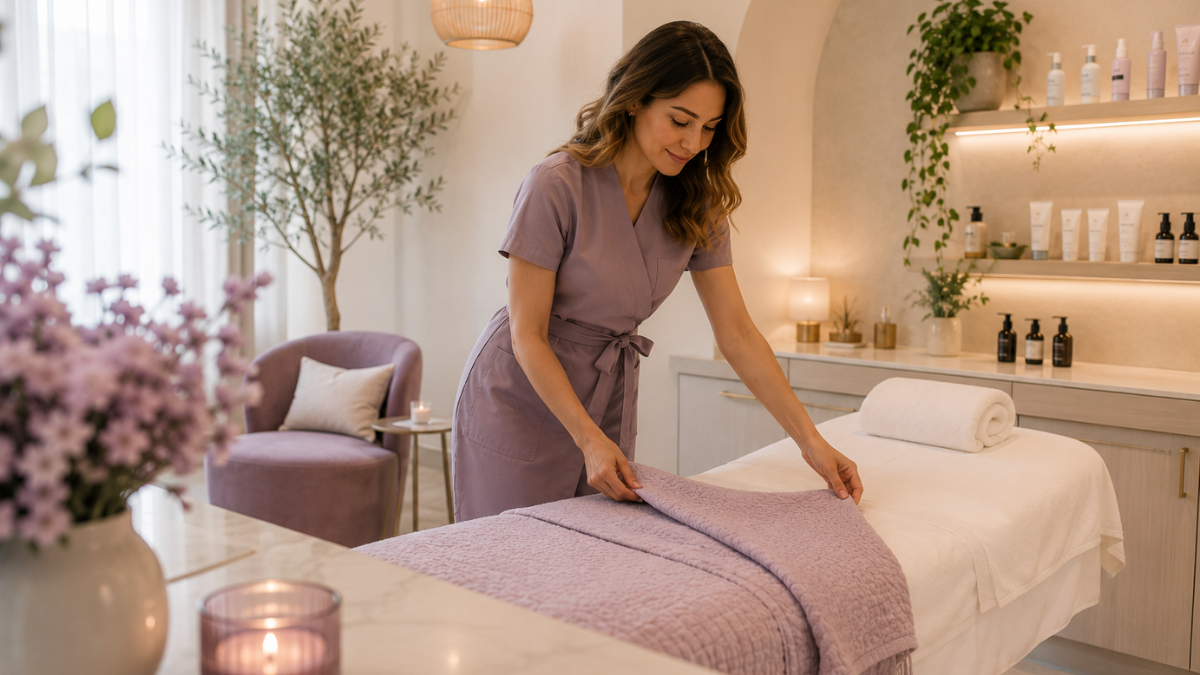
Luxury in beauty is rarely about expensive décor. Small details, smoother systems, and thoughtful client care create a far more premium experience.
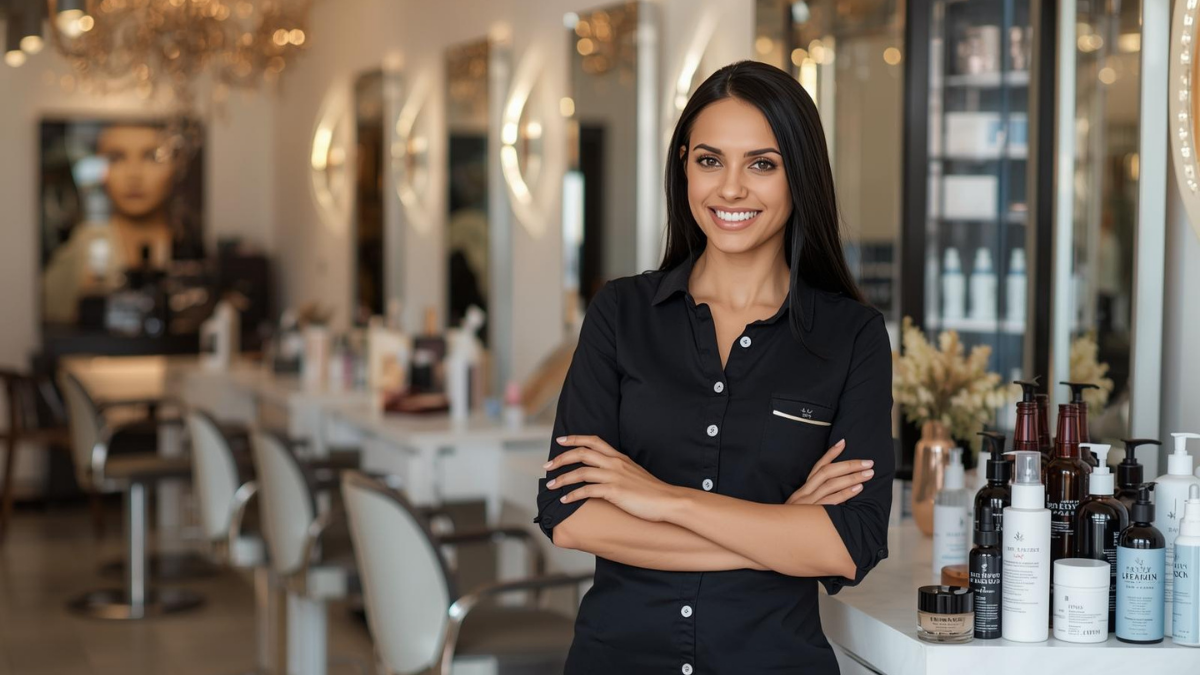
Gifts don’t need bows and big budgets. Use small, thoughtful touches—welcome kits, milestone notes, minis at the mirror—that feel personal and spark rebooks.

The right pre-booking questions save time, prevent mismatched appointments, and help new clients feel clearer, safer, and easier to guide from the start.