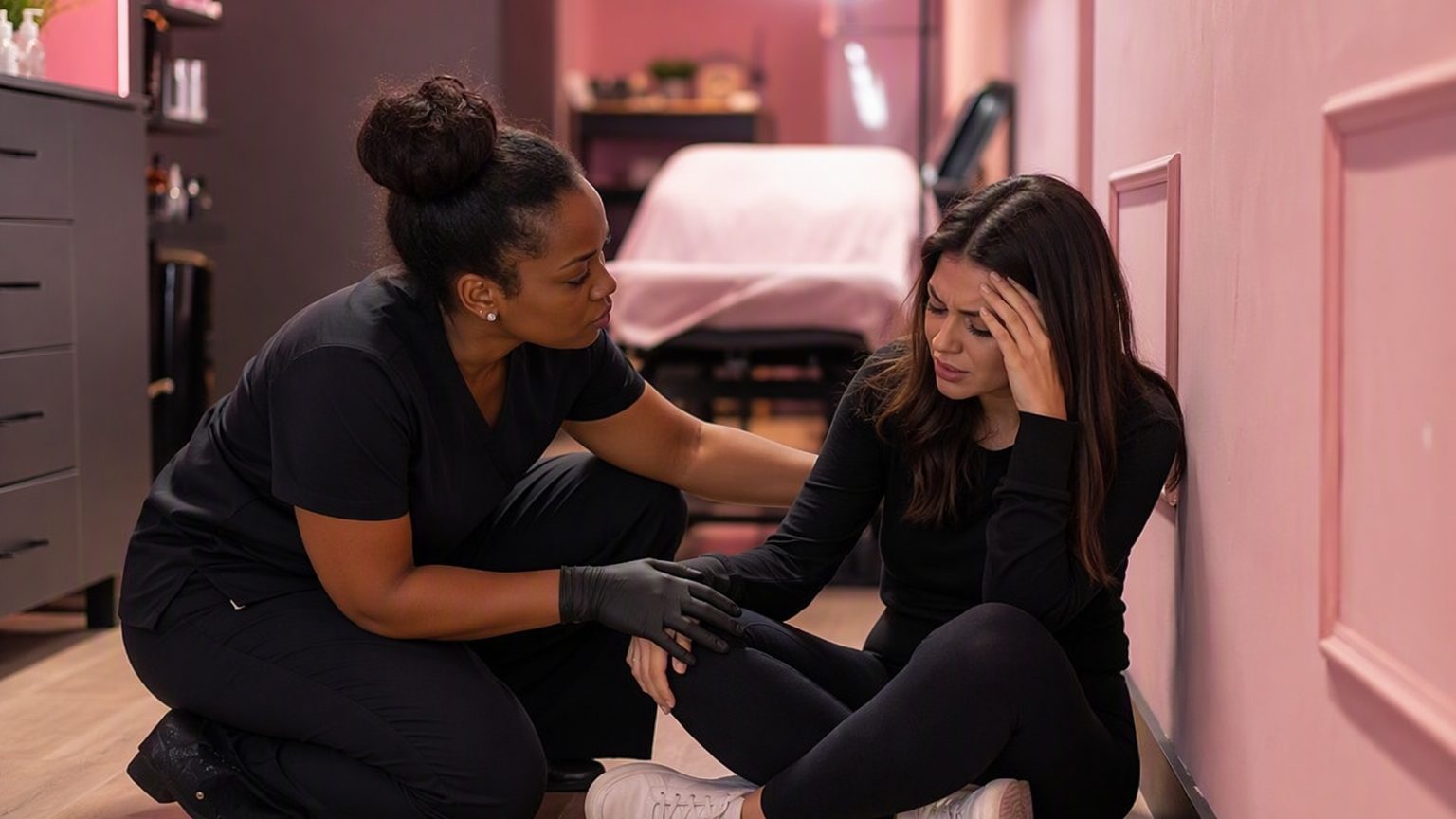
Why Beauty Businesses Need an Incident Report Form for Reactions, Falls, and On-Site Problems
7 min read
An incident report form for beauty businesses matters because unexpected things happen in real service environments. A facial client may develop redness, someone may slip near a shampoo bowl, a client might feel faint during an appointment, or a product spill could interrupt the day. In those moments, a quick verbal recap or a note on scrap paper usually is not enough. Details fade fast. A clear record helps you document what happened, what was observed, and what your team did next. This post explains when to use an incident report form, what to include, and why digital records make the process easier to manage.
An incident report form is an internal record used to document an unexpected event connected to a client visit or to day-to-day business operations. It can cover reactions, accidents, equipment issues, sanitation concerns, or other on-site problems.
This is different from an intake form, consent form, consultation form, or treatment notes. Those forms explain the client’s history, preferences, and service plan. A beauty salon incident report form documents what happened when something did not go as expected.
The goal is simple: create a factual record of what happened, when it happened, who was involved, and what action was taken. Incidents may involve clients, staff, visitors, products, tools, equipment, or the physical space itself.
A good beauty business incident documentation process should cover more than major emergencies.
This includes redness, swelling, irritation, discomfort, dizziness, stinging, or any other unexpected response during or after a service. A client reaction form beauty salon teams can use consistently helps capture details while they are still fresh.
Slips, trips, falls, fainting, or being bumped by equipment should be documented. A salon accident report form can help staff record where the event happened, what conditions were present, and what was done immediately after.
Broken equipment during a treatment, spilled chemicals, sanitation concerns, power interruptions, or contamination issues can all affect service quality and client wellbeing. Even if no one was hurt, they may still deserve a salon incident report.
Small incidents count too. If a staff member notices something unusual, or a client reports a concern later, that can still justify documentation.
The biggest reason is clarity. A standardized client incident report form creates a time-stamped record instead of relying on memory later.
It also helps your team document incidents the same way across shifts, rooms, or locations. That consistency makes follow-up easier if a client calls back with questions or says symptoms continued after the appointment.
Over time, reports can also reveal patterns. You may notice repeated reactions tied to a product, a recurring slip hazard near one station, or a prep step that staff handle differently. That kind of information supports better decisions around training, cleaning routines, patch testing, and workflow.
Good documentation does not guarantee any legal outcome, but it is a strong operational best practice. Better records usually lead to better decisions.
As soon as possible after the event.
Use an incident report any time:
A practical rule: if the event is memorable enough that your team talks about it afterward, it is probably worth documenting.
A useful beauty salon incident report form should be structured and factual. Include:
Write what was seen, heard, and done. Avoid assumptions or diagnosis. A signature field may be helpful in some workflows, but the main goal is a complete record.
Small mistakes can make a record much less useful later.
Not: wait until the end of the day and guess at details
Not: write vague notes like “client was upset”
Not: leave out the specifics that explain the sequence
Not: add blame, opinions, or emotional language
Not: scatter details across texts, paper notes, and phones
Not: leave it isolated where no one can find it later
Paper forms can work, but they are easy to misplace, damage, or file inconsistently. Handwritten notes may also be hard to read.
Digital forms help standardize required fields so staff are less likely to miss key information. Searchable records make it easier to find an incident later by client name, date, or service. That is especially useful when incident reports need to sit alongside consent forms, treatment notes, and other beauty client records.
Mobile-friendly tools also help. If staff can complete documentation quickly from a phone or tablet, they are more likely to do it accurately and on time. This is one reason many businesses moving to digital intake forms for salons also want digital reporting and recordkeeping.
Incident forms should not live on their own. They work best as part of a larger recordkeeping system that includes consultation notes, patch test records, consent forms, and aftercare documentation.
When everything is organized together, you can understand the full client timeline before, during, and after a service. A simple workflow helps: document the event, notify the right person, store the report with the client record, and note any follow-up. Cleaner systems reduce confusion when multiple team members are involved.
A client develops visible redness and stinging halfway through a facial. An incident report should note the time symptoms appeared, products used, what was observed, and whether the service was stopped.
A client slips while walking from the shampoo area to a styling chair. A salon accident report form should capture the location, floor condition, witnesses, and immediate response.
A lash client calls later that day reporting eye irritation. A client incident report form should record the client’s description, timing of the call, staff response, and any follow-up steps.
A wax pot malfunctions during service. Even without an injury, a salon incident report should document the equipment issue, how service was paused, and what was done next.
Use a standard form with required fields so staff do not have to guess what to write. Keep it simple enough to complete quickly, but detailed enough to be useful. Train your team to record facts immediately and consistently. Store reports in the same organized system as other client records when appropriate, and review them from time to time to spot repeat issues or training gaps.
The best incident report form is the one your team will actually use every time.
Incidents are part of running a real beauty business. A clear incident report form for beauty businesses helps you document reactions, falls, and on-site problems responsibly and consistently. That means better organization, clearer follow-up, and more reliable records when you need them later. If you want a simple way to create digital forms, collect signatures, and keep searchable client records in one place, try GlowForms.