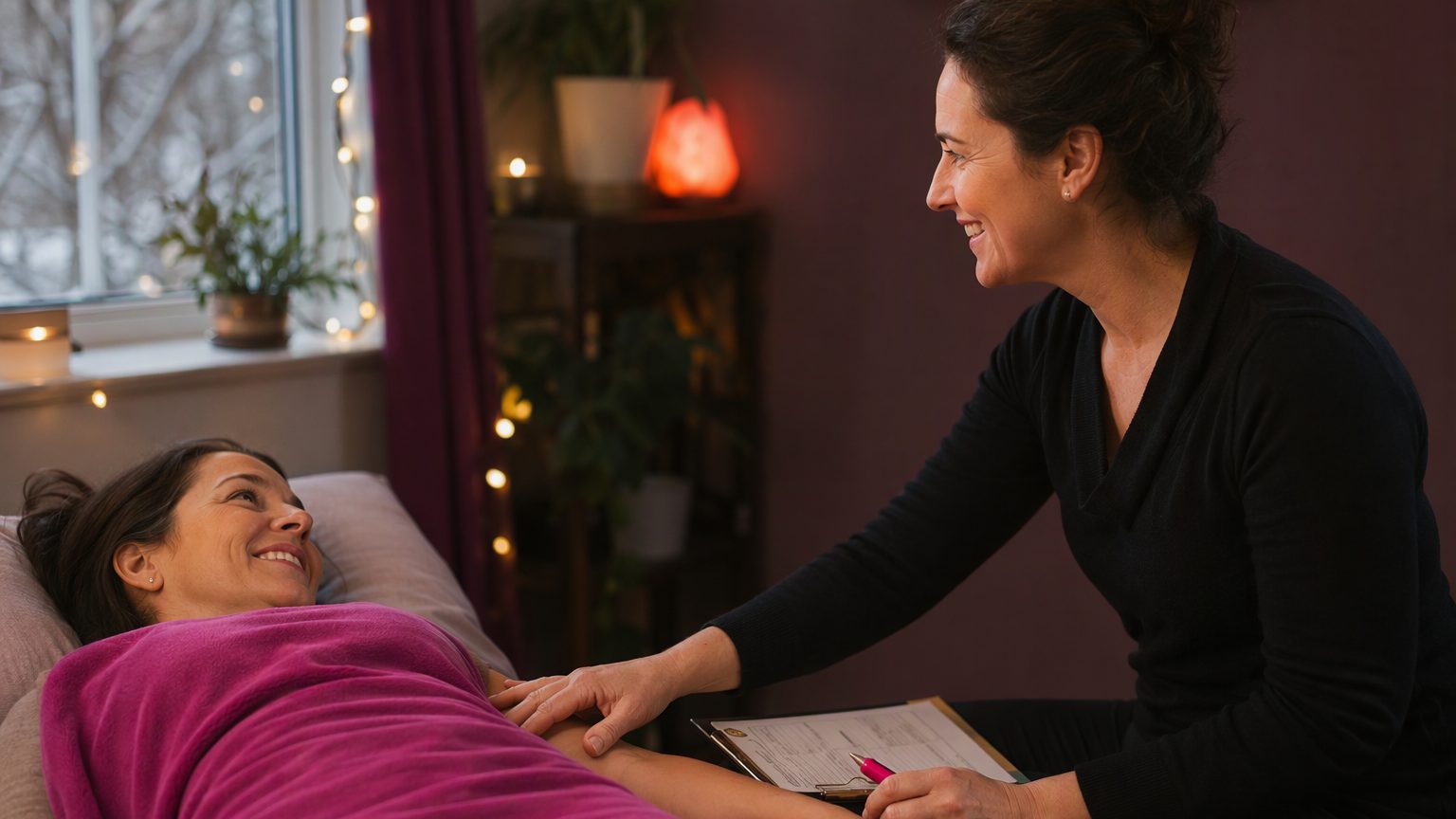
SOAP Notes for Massage Therapists: A Simple Digital Template for First-Time and Gift-Card Clients This Winter
It's late November. It's dark by 4:30, the heating is humming, and your book is filling with names you've never seen. Some are holiday gift-card recipients. Others are first-timers who finally booked for their stiff shoulders. This is the season when SOAP notes for massage therapists get tested: new clients with no history, rushed check-ins, and notes written from memory after a long day.
This guide walks through each part of a SOAP note in plain language. It also gives you a ready-to-use digital template and tips for first-time and gift-card clients. It covers documentation and running your practice. It isn't legal advice or a treatment protocol.
What Are SOAP Notes? A Quick Refresher
SOAP stands for Subjective, Objective, Assessment, Plan. Good massage therapy SOAP notes support continuity of care. They help you communicate clearly if a client also sees another provider. They also give you a dated record of what the client told you and what you did.
Many therapists learn SOAP notes in school and then drift toward quick scribbles once they get busy. That's normal, and it's fixable. Check your state massage board and any professional association guidance for local documentation and record-retention expectations.
Why First-Time and Gift-Card Clients Need Extra Attention
Gift-card clients didn't choose you. Some have never had a massage. January resolution bookings bring another wave of first-timers.
Winter also changes what you'll hear on the table:
- Cold-and-flu season: congestion, a recent cold, feeling run-down. Note these in the client's own words and factor them into comfort and positioning.
- Winter strain: holiday stress, long desk hours at year-end, shoveling snow, and hauling heavy shopping bags.
A thorough first note sets your baseline, and every rebooking gets easier because of it.
S is for Subjective: What the Client Tells You
Subjective covers the client's own description of how they feel, plus their goals and history. Some examples:
- "Client reports tension in neck and upper back since starting longer hours before the holidays."
- "Client says she's getting over a cold and prefers not to lie face-down for long."
Pull most of this from your massage intake form before the session, so you aren't interviewing someone in the treatment room. Use quotes or close paraphrase rather than your own interpretation.
Gift-card tip: The person on the table may know nothing about the booking. Ask them directly, and don't rely on anything the purchaser told you.
O is for Objective: What You Observe and Do
Objective covers what you observe and what you did. That includes posture, areas of noted tension, range-of-motion observations within your scope, techniques, pressure, session length, and how the client responded.
Keep it specific: "Moderate pressure, Swedish and trigger point to upper trapezius, 60 minutes." Record any comfort adjustments too, such as side-lying, extra blankets, or a bolster. Vague entries like "tight everywhere" won't help you next visit.
A is for Assessment: Summarize Without Overstepping
Assessment is your professional summary of how the client responded. Describe findings rather than diagnosing them. Scope of practice varies by state.
- "Client reported reduced tension in shoulders post-session."
- "Range of motion in neck felt improved per client."
For first-timers, note how they tolerated pressure and any preferences you learned. That information makes the next booking much easier.
P is for Plan: Turning One Visit into a Return Client
The Plan covers next steps, suggested frequency, focus areas, and self-care suggestions within your scope. For gift-card clients who might otherwise never return, it quietly does your rebooking work.
"Suggest follow-up in 3–4 weeks, focus on upper back. Client interested in a 90-minute session in January." Note preferences to repeat as well, such as room temperature, music, pressure, and areas to avoid. Then use the Plan to make your checkout conversation personal.
A Simple Digital Massage SOAP Note Template
You can copy this field list or rebuild it in any form builder:
Client details: name, contact, visit date, first visit (yes/no), booked via (gift card / direct / referral)
Gift-card fields: card number or code, purchaser name (optional), service included, and confirmation that the recipient completed their own intake and consent
Pre-session intake: health history, current concerns, recent illness (cold or flu symptoms), areas to avoid, pressure preference
Subjective: free text in the client's own words
Objective: checkboxes for techniques and areas worked, pressure scale, duration, positioning notes
Assessment: short free text, with a prompt that says "Describe, don't diagnose"
Plan: next-visit recommendation, focus areas, preferences to remember, rebooking status
Signatures: client consent signature at intake, therapist sign-off, date and timestamp
Keep it short enough to finish in a few minutes between clients.
Using the Template with First-Time Clients
Send the intake form by link when they book. That way they fill it out at home on a cozy evening, not in your cold entryway with numb fingers. Briefly explain what to expect and why you ask health questions, because it builds trust. Review the intake together for two minutes and pre-fill the Subjective section. Complete the rest right after the session, then store it under their client profile.
Handling Gift-Card Clients Smoothly
- The recipient completes the forms. Intake, health history, and consent come from the recipient, never the purchaser. Build this into your booking confirmation.
- Log the card details in the record, so you aren't hunting through a drawer in January.
- Protect their privacy. Never share session details or health information with the person who bought the gift card.
- Invite them back. Leave a short, friendly note at checkout based on their Plan.
Paper vs. Digital SOAP Notes
Paper brings illegible handwriting, misplaced forms, clipboards damp from winter coats, and filing cabinets you can't search. Digital SOAP notes give you mobile-friendly intake that clients complete before they arrive. You also get e-signatures, consistent fields, and records you can search by name or date. During flu season, digital intake means fewer shared pens and clipboards at check-in. Whatever system you use, review how it stores and protects client records, and follow your state's requirements.
Common Mistakes (and Quick Fixes)
- Writing notes hours later: block two minutes after each session.
- Blank Subjective: let the intake form do the asking.
- Diagnostic language: describe, don't diagnose.
- No Plan: add one next step, even if it's "client to rebook as desired."
- Purchaser fills in the forms: send intake directly to the recipient.
- Inconsistent formats: use one template for every client.
Conclusion: Start the New Year with Records You Can Use
SOAP notes give you a clear record, a better experience for your clients, and an easier path to rebooking. That matters most with winter's wave of first-timers and gift-card clients. Set up your template now, before the holiday rush lands in your January book.
If you'd like intake, consent signatures, and client records in one searchable, mobile-friendly place, try building your SOAP-ready intake form in GlowForms.