Paper Forms Slow Down Multi-Location Salons in Ways Owners Don’t See at First
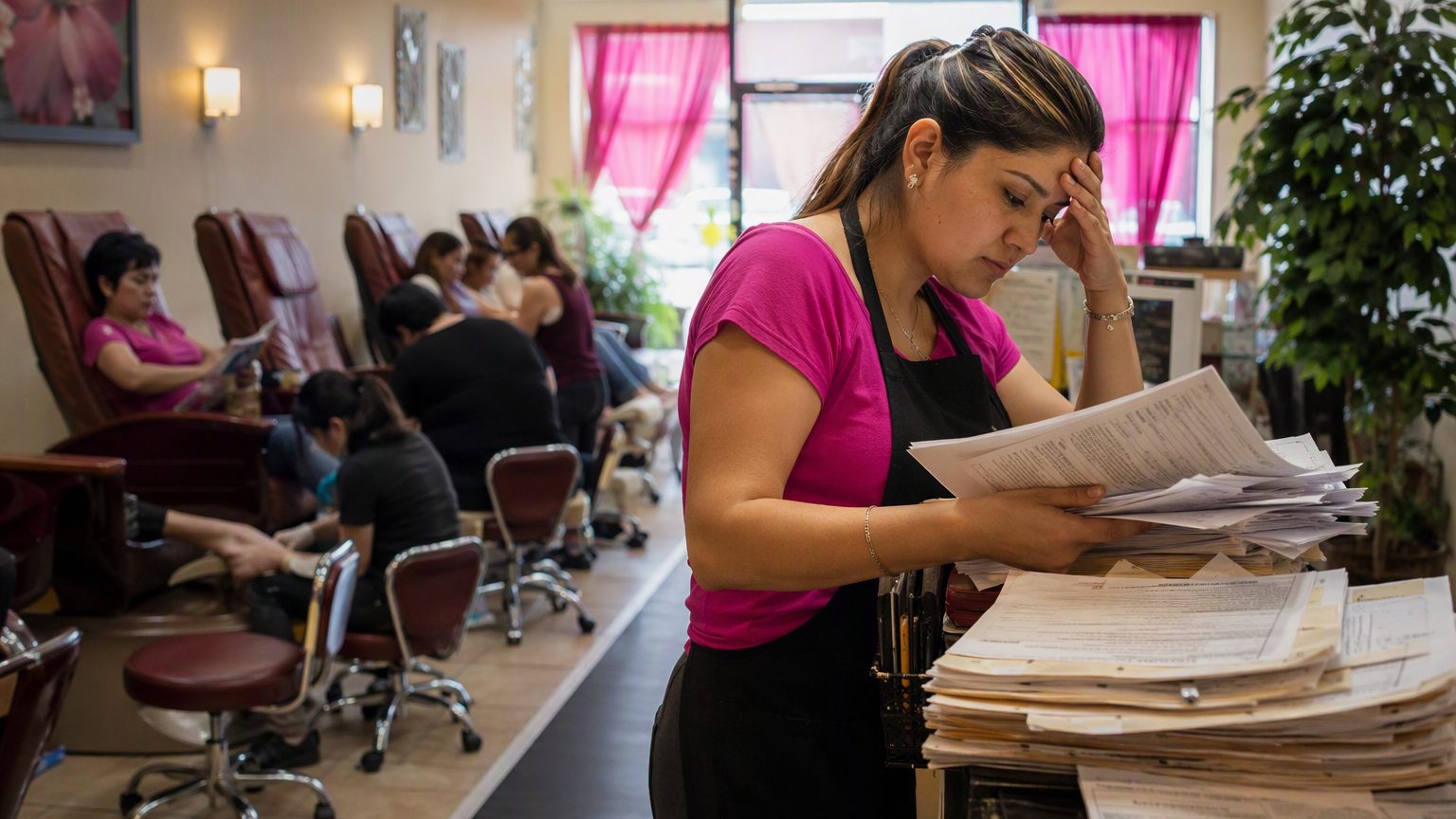
If you run two salon locations, you’ve probably seen this morning before: one front desk is calm, the other is buried, and both teams are handling paper forms multi-location salons style in slightly different ways. One receptionist is passing clipboards, another is digging through folders, and a provider is waiting on a missing signature before getting started.
That is the real problem with paper. It does not just create clutter. It creates operational drag that grows with every location, staff handoff, and appointment block. The tricky part is that owners do not always notice it right away, because each location builds its own workaround.
Here is what those hidden slowdowns look like, why they matter, and what a better intake process should actually do.
What makes paper forms especially hard for multi-location salons
Paper can feel manageable in a single studio. Once you have multiple teams, managers, and workflows, it gets harder to control. One location files by last name. Another keeps active client packets at the desk. A third scans some forms but not all of them.
That creates more than a storage issue. It affects speed, visibility, and repeatability.
In real multi-location salon operations, clients may visit more than one branch, staff may float between locations, and new hires may inherit whatever filing habits already exist. When multi-location salon intake forms are handled differently everywhere, the client experience stops feeling consistent even if your branding looks polished.
Hidden slowdown #1: check-ins take longer than owners realize
Paper intake almost always adds time at arrival. New clients need to write by hand. Returning clients may need to update forms they already filled out once. Staff have to check for blanks, signatures, and dates before the service can start.
The bottlenecks are familiar: missing clipboards, unreadable handwriting, incomplete fields, and last-minute consent questions. None of these feels huge on its own. During peak hours, they stack up fast.
Picture a receptionist with two check-ins at once, the phone ringing, and a client asking whether they need to refill a waiver from their last visit. That is where the salon check-in process starts to feel less smooth than the service you are trying to deliver.
For clients, it can feel repetitive and disorganized. For staff, it is one more thing to manage before the real work begins.
Hidden slowdown #2: staff spend time hunting for records instead of serving clients
Paper records only help when they are complete, easy to find, and in the right place. In a multi-location setup, that often breaks down.
A client books at your second location. Their history is sitting in a folder at the first. Now someone is calling another branch, texting a photo of a form, scanning pages, or asking the client to fill everything out again. None of that is a good use of team time.
This is where salon client records become an operations issue, not just an admin one. Providers lose momentum when treatment notes, signed consent, or intake history are delayed. Clients notice too. Confidence drops when your team seems unsure whether the right record is available.
Searchable digital records are not just convenient. They protect flow during the appointment day.
Hidden slowdown #3: every location starts inventing its own process
Paper systems drift. One manager updates a consent form. Another location keeps using the old version because nobody replaced the stack in the cabinet. One team staples everything together. Another separates intake, waiver, and notes into different folders.
Over time, that creates inconsistent client consent forms for salons, different intake questions, and mixed filing methods. It also makes training harder. If a provider or front-desk employee moves between locations, they have to relearn the paperwork process every time.
Many owners assume their teams are following the same workflow because the forms look similar. In practice, they are often not. Consistency is not a nice-to-have. It is a core part of clean operations.
Hidden slowdown #4: follow-up and rebooking get weaker when intake data stays trapped on paper
Paper forms often contain useful details: preferences, sensitivities, patch test notes, service history, signed consent, and client updates. The issue is not collecting that information. The issue is being able to use it.
When those details live in folders or filing cabinets, they are harder to reference during rebooking, service prep, or a return visit at another location. Staff may care deeply about continuity, but if the information is not easy to access, it does not consistently shape the experience.
This is why beauty business intake forms work better when they support the service workflow, not just the checkbox of collecting information.
Hidden slowdown #5: audits, incident follow-up, and record checks get harder
Sooner or later, an owner or manager needs to verify a record. Was the latest form signed? Was a release updated? Is this the current version? In a paper system spread across locations, that process gets slow quickly.
Common problems show up fast: missing pages, unsigned forms, duplicate client files, and uncertainty about which copy is most recent. Better organization does not replace professional legal guidance, but it does support cleaner internal processes and faster record checks.
If you cannot find the right paperwork quickly, oversight becomes harder than it needs to be.
The costs owners notice late
Paper rarely fails in one dramatic way. It creates many small inefficiencies that teams normalize: slower check-ins, repeated data entry, interruptions during service prep, inconsistent records, and more manager oversight.
At one location, that may feel manageable. As your business grows, those little delays get more expensive. More staff, more appointments, and more movement between locations all add pressure to a system that was never built for speed.
What once felt good enough often becomes a ceiling.
What a better multi-location intake workflow should look like
A stronger process for digital client intake for salons should be simple and practical:
- Clients complete forms before arrival, ideally on mobile
- Staff can collect signatures without chasing paper
- All locations use the same approved form versions
- Records stay organized in one searchable place
- Teams can access what they need across locations without digging through files
The goal is not to make intake complicated. It is to make it repeatable. Standardized paperless salon forms help create a more consistent experience while still allowing for location-specific needs where appropriate.
How to move from paper without creating chaos
You do not need to replace everything at once. Start with the forms causing the most friction: new client intake, consent updates, or the paperwork most often missing at check-in.
Then standardize those forms and roll them out one location at a time. Document one intake workflow for front-desk teams and providers. Review where delays happen now: first visits, repeat visits, record retrieval, and manager checks.
Most importantly, train for consistency, not just software use. The real upgrade is not just going digital. It is creating a process every location can actually follow.
Conclusion: paper forms slow growth because they slow everyday work
In multi-location salons, paper forms create hidden friction in check-in, record access, consistency, and oversight. Owners often do not see the full cost at first because each location absorbs the problem differently.
But the slowdown is real. It shows up in the front desk rush, in record retrieval, in staff handoffs, and in the extra effort it takes to keep things aligned.
If you want a simpler way to standardize forms, collect signatures, and keep searchable client records organized across locations, try GlowForms. It is built to help beauty businesses create a smoother intake process without the paper drag.