How to Write a Salon Cancellation Policy for Snow Days, Icy Roads, and Winter Weather (With a Sample Clause)
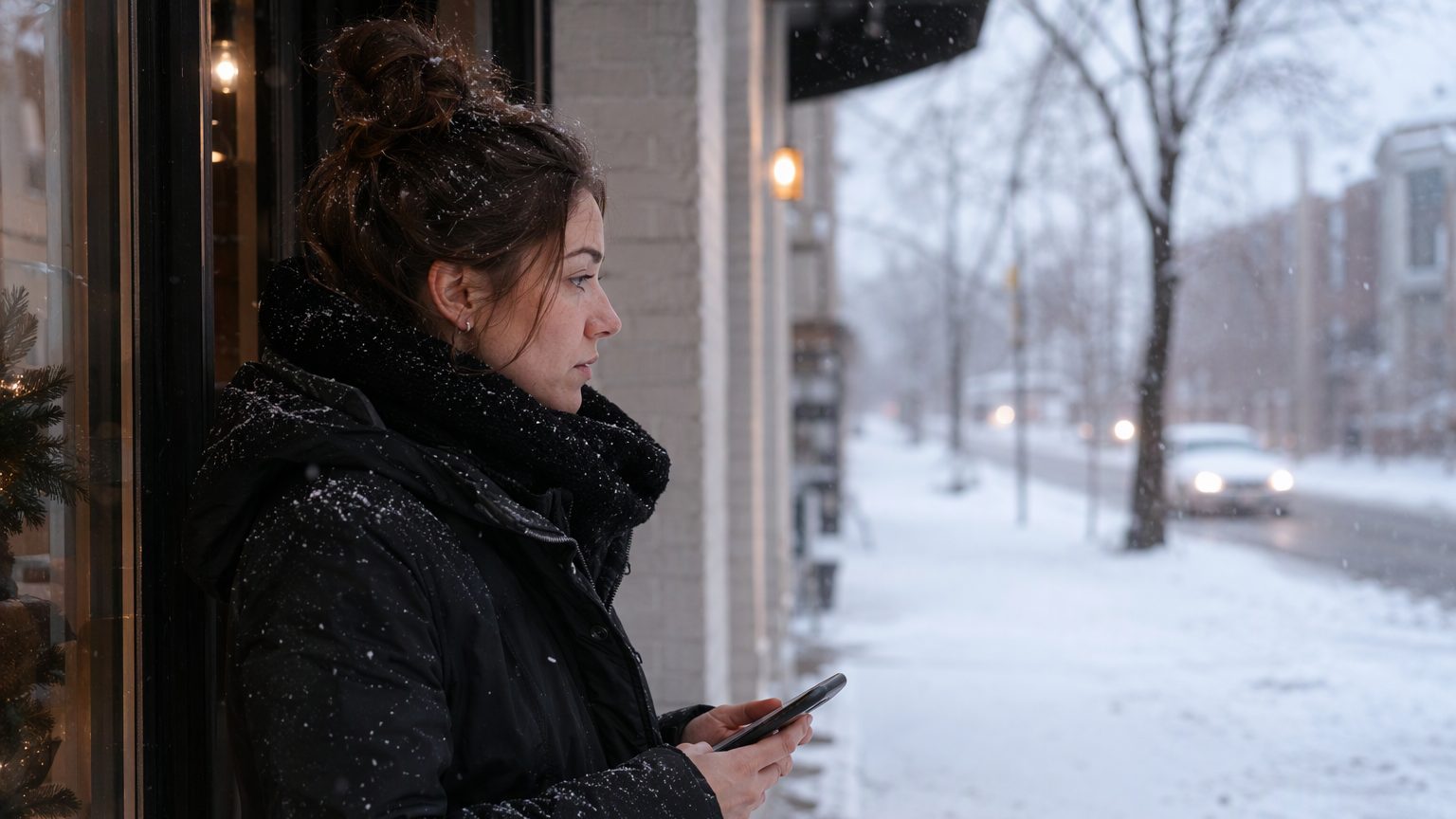
It's 4:30pm in mid-November. It's already dark, freezing rain is starting, and your 6pm lash fill texts: "Are we still on?" You don't have a clear answer written down.
Most salon cancellation policies cover no-shows and late arrivals. Few say anything about snow days, icy roads or school closures. That gap costs you. You end up making calls on the spot, applying rules unevenly, and risking resentment from clients or lost income for you.
This guide walks you through writing a winter weather cancellation policy that's fair to clients, protects your time, and is easy to share before the first big storm. It's practical guidance, not legal advice. Fee and deposit rules vary, so check your state's requirements.
What a Standard Salon Cancellation Policy Covers (and Where Winter Breaks It)
A typical policy includes:
- A notice window, often 24 or 48 hours
- A late-arrival grace period
- No-show fees and deposits
- Rebooking limits
Winter is different because weather changes fast, often inside your notice window. A client can't give 24 hours' notice of an ice storm nobody saw coming.
Plan for three situations separately:
- You close the salon.
- The client can't travel safely.
- Conditions are borderline and neither of you is sure.
Colds and flu also peak right now. Decide whether "sick" and "snowed in" follow the same rules or different ones, and write it down.
Step 1: Decide Who Calls a Snow Day
Pick an objective trigger so you aren't debating every booking. Options include:
- Local school closures
- A winter storm warning for your area
- Official road advisories
- Your own closure announcement
If you rent a suite or booth, check whether the building's closure rules override yours.
Set a decision cutoff and stick to it. For example, decide by 7am for morning clients and by noon for evening clients. On multi-staff teams, name the one person who makes the call so clients don't get mixed messages.
Step 2: Set Fair Rules for Client Weather Cancellations
Choose your approach:
- Full fee waiver whenever an objective trigger is met, or
- Reduced notice window during active weather, such as "cancel at least 2 hours before."
For the borderline case, where there's no official warning but the client's road is icy, consider one "good faith" weather waiver per season.
Be explicit about your salon deposit policy. Do deposits roll over to the rebooked appointment, get refunded, or get kept? Also clarify that weather waivers don't cover unrelated last-minute cancellations that just happen on a snowy day.
Keep the tone warm. Say plainly that client safety comes first.
Step 3: Spell Out What Happens When the Salon Closes
Commit to how and when you'll notify clients: text, email, a booking system message, a social post, or a mix.
State clearly that clients never pay fees or lose deposits when you close. Then explain rebooking priority. Weather-cancelled clients get first pick of the next open slots.
Some services can't wait long, such as lash fills, gel removals or PMU touch-ups. Note that you'll prioritize these when rescheduling.
Step 4: Handle Late Arrivals on Icy Roads
Extend your grace period on bad-weather days, for example from 10 to 20 minutes, and say so in the policy. Past that, explain what happens: a shortened service, a reschedule, or a partial fee.
Ask clients to text, not call, if they're running late. Nobody should be on the phone while driving on ice.
Explain why you can't run over: the next client is braving the same roads. That makes the rule feel fair instead of strict.
Step 5: Plan Rebooking So Winter Doesn't Empty Your Calendar
- Build a short waitlist for December holiday-rush slots, which are the hardest to replace.
- Include rebooking options in the cancellation message so clients pick a new time on the spot.
- Hold a few "weather buffer" slots open in peak pre-holiday weeks.
- Track weather cancellations in client records to spot patterns, such as clients on rural roads.
Sample Winter Weather Cancellation Clause You Can Adapt
> Winter Weather Policy
> Your safety comes first. If [school closures in (county) / a winter storm warning for (area)] are in effect, or we announce a closure, weather cancellations carry no fee.
>
> If we close: We'll notify you by [text/email] by [7am] for morning appointments and [noon] for afternoon and evening appointments. You'll never pay a fee or lose your deposit, and you'll get first pick of our next openings.
>
> If you can't travel safely: During official weather alerts, cancel at least [2] hours ahead with no fee. Each client gets one good-faith weather waiver per season when no alert is in effect. Deposits [roll over to your rebooked appointment / are refunded].
>
> Running late? On weather days our grace period is [20] minutes. After that, we may shorten your service or reschedule [with a $__ fee]. Please text, don't call, while driving.
>
> Cancellations unrelated to weather follow our standard [24]-hour policy.
Short version for confirmations and reminder texts:
"Bad weather? Safety first. No fee during official alerts with [2] hours' notice. Full policy: [link]."
Adapt this to your services, local conditions and state rules. If you charge fees or keep deposits, have it reviewed.
How to Communicate Your Winter Policy Before the First Storm
Timing: Roll it out now, before the first big snow and the holiday booking rush.
Channels: booking confirmations, your website policy page, a pinned social post, and a front-desk sign.
Acknowledgment: Have new and returning clients read and sign the updated policy as part of intake. A signature now prevents arguments later.
Scripts: Pre-write a friendly storm-day text for each scenario so anyone on the team can send it in seconds. For example: "Hi [Name], we're closing today due to the ice. Stay safe! Here are our next openings: [link]."
Common Mistakes to Avoid
- Applying fees inconsistently, depending on the client or your mood
- Vague wording like "severe weather" with no definition
- Burying the policy in fine print clients never see
- Forgetting to update reminders and online booking pages
- Sounding punitive. Lead with safety and flexibility, then explain limits.
Conclusion: Make Your Winter Policy Part of Intake
A strong winter weather cancellation policy has five parts:
- Clear triggers
- Fair client waivers
- A no-fee promise when you close
- A weather grace period
- A rebooking plan
But a policy only works if clients have seen it and agreed to it. That's easiest when it's built into your intake.
With GlowForms, you can add your winter cancellation policy to your digital client intake form and collect e-signatures on mobile. Each client's signed acknowledgment is kept in their searchable record. Try GlowForms free before the first snow day.