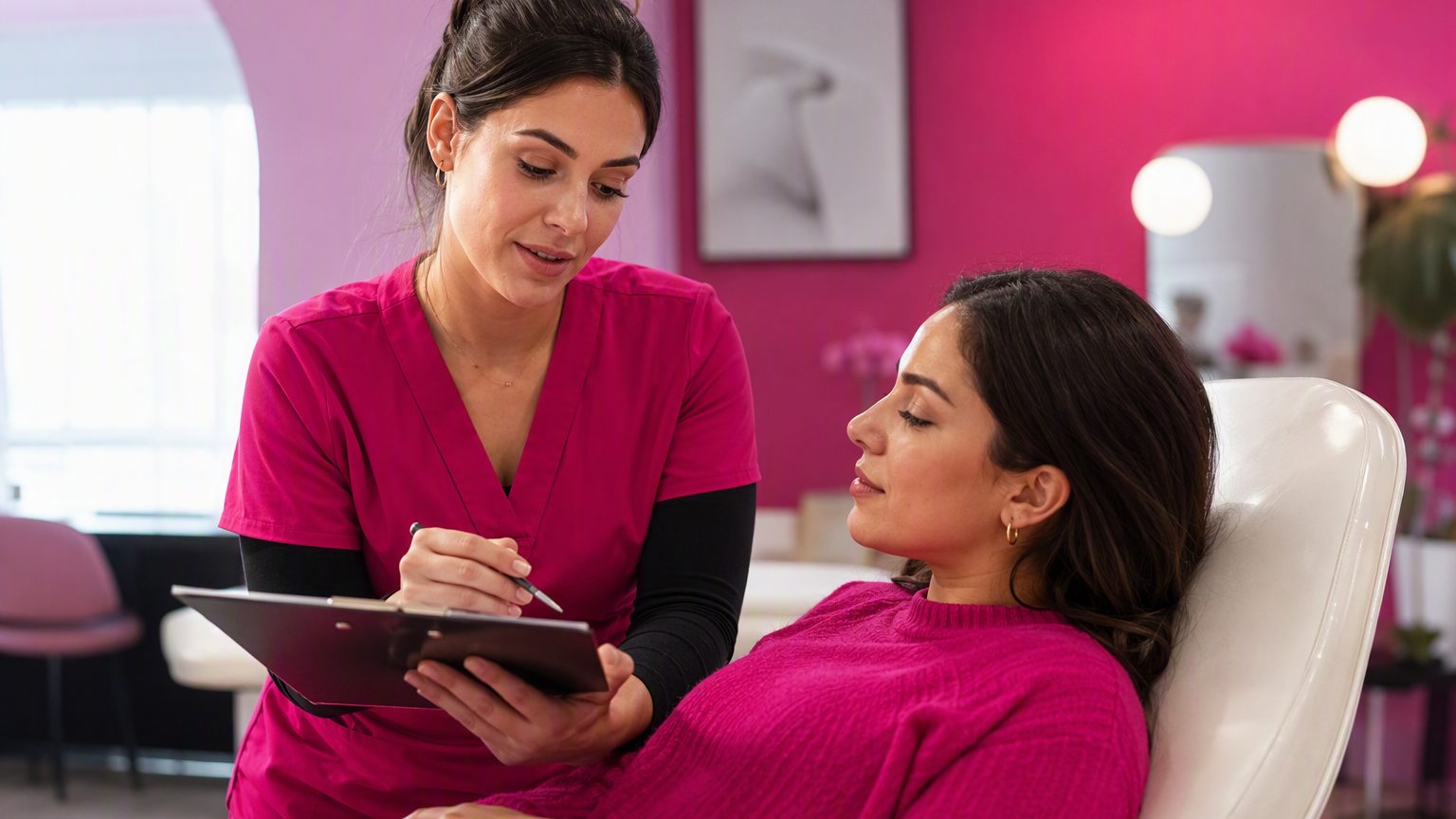
How to Create an Eyebrow Tint Consent Form That Covers Allergies, Patch Testing, and Eye Area Sensitivity
7 min read
An eyebrow tint consent form is a small part of the appointment, but it does a lot of heavy lifting. For brow artists, estheticians, and salon owners, tinting happens close to a sensitive area, so clear intake matters for both client experience and recordkeeping. A well-built form helps you ask the right questions before the service, document what the client shared, and collect a clear signature without a rushed conversation at the front desk. In this guide, you’ll learn what to include around allergies, patch testing, eye-area sensitivity, signatures, and record retention. This is practical business guidance, not legal advice.
An eyebrow tint consent form is a document clients complete before treatment to share relevant information, review key acknowledgments, and give permission to proceed. It is more than a quick appointment note.
A dedicated brow tint consent form usually includes:
That is different from a simple booking note that only says “brow tint at 2 PM.” A true eyebrow tint intake form supports informed communication and organized records. It should also be easy to complete on a phone before the client arrives.
Tint services involve product use around the eye area, so reaction history matters more than it might for a basic consultation. A dedicated form helps you ask the same questions every time instead of relying on memory.
It also creates a clear record of:
That consistency can reduce rushed check-in conversations and help keep the day on schedule.
Every eyebrow tint consultation form should start with the basics:
Collect:
Then add appointment details:
Include a short plain-language description of eyebrow tinting so the client understands what the service involves. Then add an acknowledgment that they have read the form, had the chance to ask questions, and agree to proceed.
Your eyebrow tint waiver form should always include:
A strong brow tint allergy form should use clear yes/no questions, followed by a required field for details when the answer is yes.
Ask whether the client has:
You can also include a field for current medications or topical products if that is part of your normal screening process. Keep it relevant to skin sensitivity and avoid collecting information you do not actually use.
Patch testing should have its own section, not one sentence buried in a long paragraph. Your eyebrow tint patch test form area can include:
If the client did not complete a patch test or declined one according to your policy, include a clear acknowledgment documenting that status. Use simple wording. Clients should understand that patch testing is a screening step, not a guarantee against every reaction. If your process requires testing a certain number of hours or days before the appointment, document timing clearly.
Because eyebrow tinting happens so close to the eyes, this section matters. Ask whether the client currently has:
If relevant to your screening process, ask about recent use of exfoliants, retinoids, or peels that may leave the area more reactive. Leave space for practitioner review notes so anything that needs discussion is documented before you proceed.
Keep this section calm and clear. Good beauty consent forms do not need dramatic language to be effective.
Include acknowledgments that:
You can, but keep it separate and clearly optional where appropriate. Many salons want before-and-after images, but treatment documentation is not the same as marketing use.
If you include photo permission, use separate checkboxes for:
Make it clear that declining promotional use does not affect the service itself.
Some forms look complete but still create confusion at check-in. Common issues include:
A good salon client intake form should be easy to complete, easy to review, and easy to retrieve when the client returns.
Paper forms can work, but they are slower to store, harder to read, and easy to misplace. Digital forms are often easier for both clients and staff.
With digital consent forms for salons, you can:
For solo pros and small teams, that can make a big difference. A digital eyebrow tint intake form also tends to be more mobile-friendly than a clipboard at the desk.
Start simple. Ask for contact details first, then service-specific screening questions, then acknowledgments and signature.
A smoother form usually has:
For example, if a client answers yes to a previous reaction, your form can open a details field automatically. Review your wording now and then based on the questions clients ask most often.
Once signed, keep the record organized. Save:
That way, the next appointment starts with context instead of guesswork.
A strong eyebrow tint consent form should clearly cover allergies, patch testing, eye-area sensitivity, signatures, and optional photo permissions. When your form is easy to complete and easy to retrieve, check-in feels smoother, your questions stay consistent, and your client records stay organized. If you want a simpler way to build mobile-friendly beauty intake forms, collect signatures, and keep everything in one searchable place, try GlowForms.