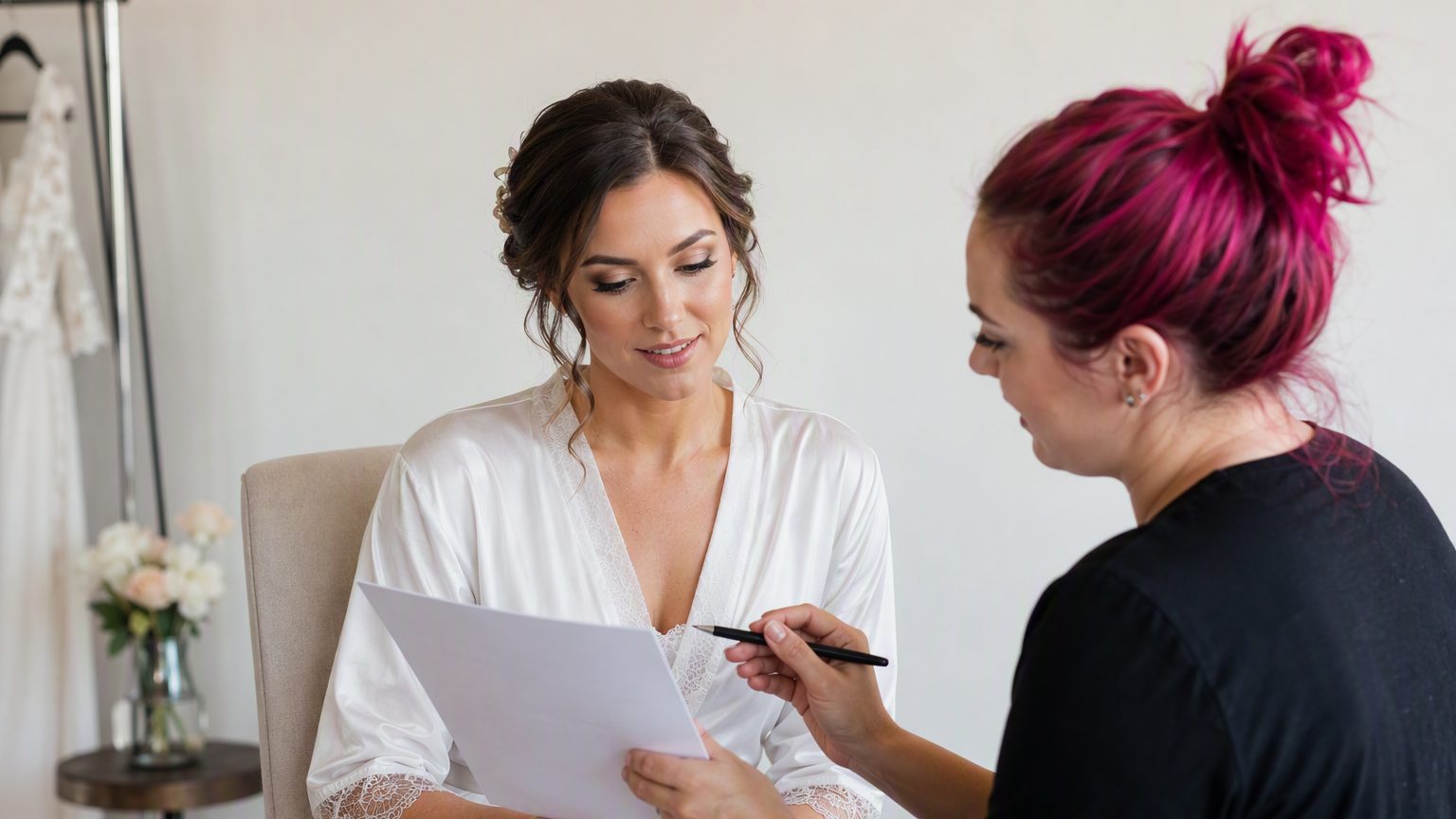
How to Create a Client Consultation Form for Bridal Hair and Makeup Trials
A strong bridal hair and makeup trial consultation form helps you prepare before your client walks in. Bridal services involve more planning than a standard appointment. There is a date, a venue, photos, weather, timing, and often a full bridal party to think about. When you collect expectations before the trial instead of during it, the appointment feels smoother, your setup is better, and you avoid last-minute surprises.
Why a bridal trial form matters
A bridal trial is not just a test run. It is where you align on the look, confirm what will actually work, and spot anything that could affect the wedding day. A clear bridal consultation form gives you the details you need ahead of time, from inspiration photos to sensitivities to schedule pressure.
Digital forms make this even easier. You can review everything on your phone or at the salon before the appointment starts, instead of digging through texts and screenshots.
When to send the form
Send the bridal trial form as soon as the appointment is booked. That gives you time to review the client’s answers, check inspiration images, and note any special requests.
It also helps you catch issues early, such as:
- skin or scalp sensitivities
- unrealistic style expectations
- timeline conflicts
- venue conditions like heat, wind, or humidity
Set a deadline for completion before the trial date so you are not reviewing details at the last minute.
What to include in a bridal client consultation form
1. Contact and wedding details
Start with the basics. Collect:
- full name
- phone number
- preferred contact method
Then gather wedding-day logistics:
- wedding date
- ceremony time
- venue
- getting-ready location
- planner or day-of contact, if relevant
Ask whether the bride is booking only for herself or for a full bridal party. If others may need services, include an estimated headcount. This part of your bridal beauty intake form helps with scheduling and staffing.
2. Trial goals and service selection
Your hair and makeup consultation form should ask what the client wants to accomplish during the trial. Is she hoping to refine one look, or compare a few options?
Include service checkboxes such as:
- hair trial
- makeup trial
- both hair and makeup
- veil placement
- clip-in extension placement
- touch-up discussion
Add a short question about priorities. For example: longevity, comfort, softness, full glam, natural finish, or photo readiness.
3. Hair details
A bridal hair consultation form should cover the details that affect styling choices. Ask about:
- natural texture
- length
- density
- current color
- preferred parting
Also include:
- extensions, toppers, wigs, or hairpieces
- heat styling concerns
- scalp sensitivity
- veil, tiara, pins, accessories, or cultural headpieces
One useful question: “Are you planning any cut or color changes before the wedding?” A style that works today may need adjusting if the hair changes later.
4. Makeup details
A good bridal makeup consultation form should help you understand both preferences and practical concerns. Ask about:
- skin type
- sensitivities or allergies
- known product reactions
- current skincare routine
- prep habits before makeup
Then cover style preferences:
- foundation finish and coverage
- comfort level with lashes
- lip color family
- eye definition
- brow style
- overall glam level
It also helps to ask whether the bride has had professional makeup before, and what she liked or disliked.
5. Inspiration photos and style preferences
Include a place to upload or link inspiration images. But do not stop there. Ask what the client likes in each photo.
That might include:
- skin finish
- eye shape
- brow softness
- bun height
- face-framing pieces
- lip color intensity
Also add a field for what she does not want. This is one of the most helpful parts of a wedding hair and makeup intake form because it turns vague inspiration into useful direction. You can also remind clients that the final look should suit their features, hair type, and wedding setting.
6. Wedding-day logistics
The wedding environment affects product choice and styling decisions. Include questions about:
- indoor or outdoor setting
- beach, destination, or high-humidity conditions
- season
- start time
- expected wear time
- second outfit or second look later in the day
You can also ask about photography timing and whether flash photography is a concern. If the bride already has a bridal party timeline, ask for it.
7. Sensitivities and relevant health questions
Keep this section practical and limited to information that affects service delivery. A wedding makeup artist consultation form may ask about:
- allergies and sensitivities
- eye conditions
- active irritation
- recent facials, peels, or laser appointments
- recent spray tans
- recent brow or lash services
A hair-focused version can also ask about scalp sensitivity or irritation. Use careful wording. The goal is to prepare safely, not to make medical claims. A simple note can say that clients should contact a qualified professional for medical advice when needed.
8. Policies, consent, and signature
Your bridal client consultation form should include clear acknowledgment of:
- booking terms
- lateness policies
- cancellation and rescheduling
- trial fees or deposits, if applicable
If you use images for your portfolio or marketing, add a separate photo and video permission section. Keep this separate from service-related consent so the choice is clear. Finish with an e-signature and date field.
How to structure the form so clients complete it
The best bridal consultation form is easy to finish on a phone. Use clear section headings, short instructions, and only ask for what you truly need.
A good structure looks like this:
- Contact details
- Wedding details
- Service selection
- Hair details
- Makeup details
- Inspiration
- Logistics
- Sensitivities
- Policies and signature
Mix multiple-choice questions with a few short-answer prompts. Put uploads, policy acknowledgments, and signatures near the end. It also helps to tell clients how long the form will take.
Common mistakes to avoid
Avoid forms that are too generic to be useful. A few common problems:
- asking broad questions that do not help you prepare
- hiding important policies in a long paragraph
- collecting irrelevant personal information
- requesting inspiration photos without asking what the client likes about them
- leaving out venue, schedule, and wear-time questions
You can also add internal-only notes for your team after submission. That way, your digital records stay clean, searchable, and useful before the wedding day.
How digital forms improve the bridal experience
Digital consultation forms reduce back-and-forth messaging and help you review everything before the trial starts. They also make it easier to capture signatures, keep policies organized, and revisit the bride’s preferences later.
For bridal work, that matters. A polished intake process makes you look prepared and professional, and it gives the client confidence that nothing important will be missed.
Conclusion
A well-built bridal hair and makeup trial consultation form helps you prepare, personalize the service, and stay organized from trial to wedding day. The strongest forms combine style preferences, logistics, sensitivities, and clear policies in one place.
If you want a simpler way to build and send mobile-friendly bridal consultation forms and keep client records easy to search, try GlowForms.