How Estheticians Can Organize Client Records So Returning Clients Never Have to Repeat Themselves
7 min read
A loyal client walks in for a facial, and before you even get started, you ask again about allergies, active ingredients, or how their skin reacted last time. It happens easily when you do not have a clear system to organize client records for estheticians. But from the client’s side, it can feel like you do not remember them.
This is more than a minor annoyance. It affects the client experience and your daily operations. When records are organized, appointments feel smoother, notes are easier to review, and you spend less time digging for details.
Good esthetician client records should help you prepare for the service, not create extra clutter. Most estheticians need a practical mix of:
The goal is not to collect every possible detail. It is to keep the right information in one place so you can review it quickly before an appointment. Your record setup should match your services and any local requirements that apply to your business.
When records are spread across paper folders, text messages, camera rolls, and handwritten notes, details get missed. A signed consent form may be in one place, treatment notes in another, and a recent update nowhere obvious.
That is when clients end up repeating things like:
Disorganization slows check-in and makes the experience feel less polished. It can also make you second-guess whether you have the full picture before starting a service.
The simplest fix is one searchable profile per client. Instead of storing forms and notes in separate places, keep everything connected inside a single record.
A complete profile can include:
This makes pre-appointment prep much faster. If a returning client books a follow-up facial, you can quickly review their last service, note that they were sensitive around the nose, and see which products they responded well to. That helps you adjust the treatment without asking them to retell the whole story.
Consistent forms make repeat visits easier to manage. If one visit includes a full skin care consultation form and the next only has random notes, it becomes harder to track changes over time.
A strong esthetician intake form usually includes standard sections such as:
Keep required fields separate from optional notes so your client intake forms for estheticians stay easy to complete on mobile. Signatures and date stamps also matter because they help you see when information was last confirmed.
Organized records are not just about the first appointment. They need quick updates every time the client returns.
A simple returning-client workflow might look like this:
Then add treatment notes immediately after the service while details are still fresh. Even a short update process helps clients avoid repeating their background over and over.
Searchable digital client records save time when you need answers quickly. Before check-in, you should be able to scan key details in seconds instead of flipping through pages.
Useful tags or categories might include:
The point is not to overbuild the system. Tags should support your workflow. For example, if a client arrives for a peel consultation, you may want to pull up signed consent and the last treatment notes right away.
Related records should stay attached to the same client profile. Consultation forms, signed consent, treatment notes, and approved progress photos are far more useful when they live together.
That connection gives you a clearer timeline of what was collected, what was updated, and what happened at each visit. It also creates cleaner internal processes than juggling loose papers or screenshots.
For solo estheticians, mobility matters. If you can review beauty client records from your phone or in the treatment room, you are less likely to ask clients to repeat themselves at the door.
This is especially helpful if you work in a suite, move between rooms, or handle check-in yourself. Being able to glance at preferences, last treatment notes, and updates before greeting the client makes the whole appointment feel more personal and professional.
Client records often include sensitive personal information, so organization should go hand in hand with responsible handling. Limit access to the people who actually need it. Store records securely. Avoid relying on loose paper, scattered screenshots, or personal camera rolls.
Well-organized digital systems can reduce accidental misplacement and make records easier to manage consistently. The benefit is better control and clearer processes, not a guarantee of legal compliance.
If any of these sound familiar, your record process may need work:
The good news is that these are fixable problems.
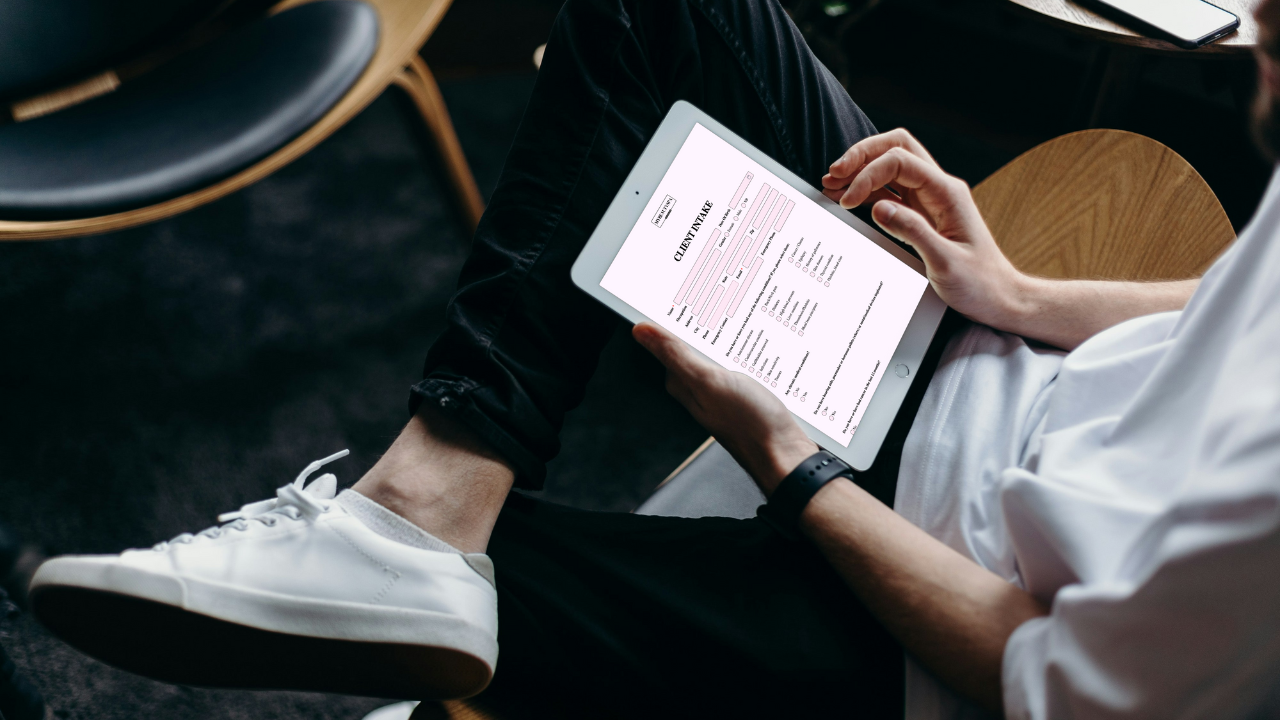
Here is a practical system for paperless intake for estheticians:
Send intake forms digitally so clients can complete them in advance.
Keep forms, consent, notes, and updates attached to the same client record.
Check history, preferences, and any recent changes before the client arrives.
Add fresh notes while the treatment is still clear in your mind.
Make sure all client consent forms stay attached to the client history.
In real life, this means a returning client can walk in for a treatment and feel remembered. You already know they are using retinol, had mild sensitivity after their last visit, and want to focus on hydration before an event. That feels very different from making them repeat everything from scratch.
When you organize client records well, returning clients do not have to repeat their history, preferences, or concerns at every appointment. You get smoother check-in, better prep, more personalized care, and cleaner internal organization.
If you want a simpler way to manage intake, signatures, and searchable client profiles in one place, you can try GlowForms and see how organized digital records can make every return visit feel more seamless.