GlowForms: Client Forms People Actually Finish
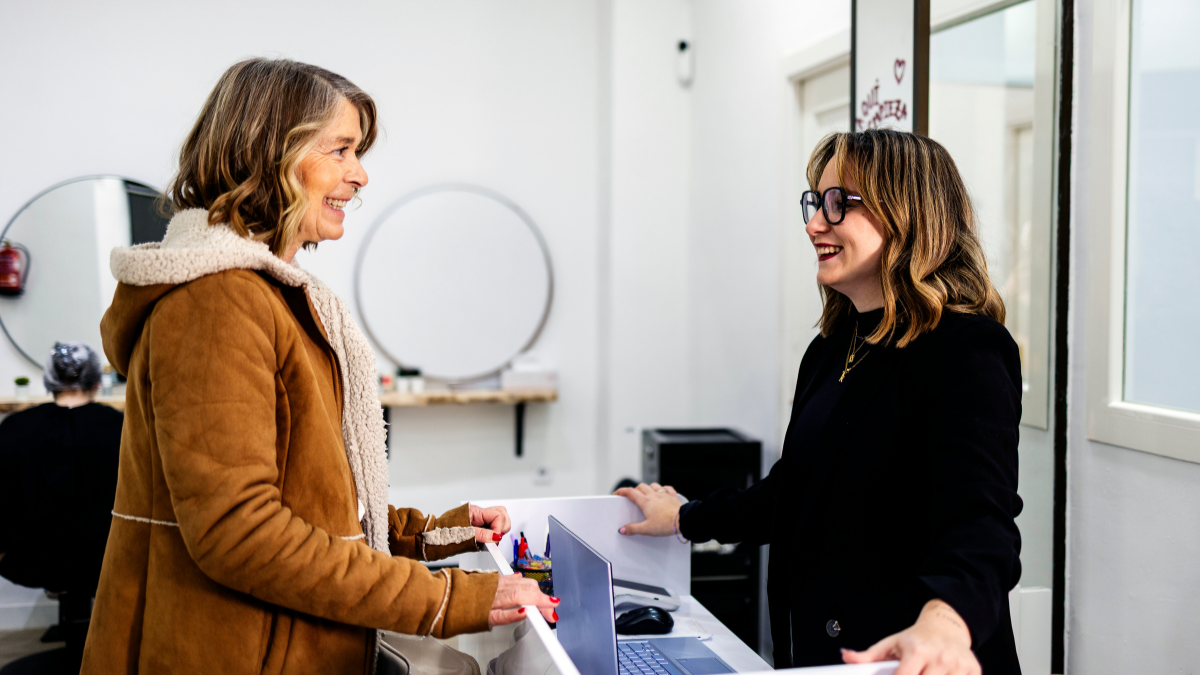
Here’s a picture you probably know too well: a new client arrives five minutes late, juggling a tote and a coffee. You hand them a clipboard. They sigh. You rush. Your first pass goes sloppy because you’re still waiting for allergies and meds.
Now imagine the same Tuesday with zero paper.
The client walks in, sits, and you already know about the retinol, the patch test, and that one sensitivity to certain adhesives. No clipboard. No “Can you initial here and here and…”. You start the treatment fully briefed and fully covered.
That’s the job of digital forms done right. Not software worship. Less chaos between appointments.
The “Tuesday-Proof” Flow
This is the simple setup we recommend to busy salons and solo pros. It’s boring—in a good way.
Send forms right after booking.
Use a branded link in your confirmation email. New lash client? Send consent, intake, and aftercare in one swoop. Returning facial client? Just the quick update and any new policies.Post a QR code at reception.
If they didn’t complete it beforehand, the backup is ready. One scan, done while they wait. No pens, no shared clipboards, no awkward elbow writing at the front desk.Keep everything in one client record.
You should be able to search “Sophie K” and see every consent, patch test, and treatment note in seconds. If there’s ever a complaint or a check, you’re not rifling through drawers.Make it look like your brand.
Forms should carry your logo and colors so clients feel they’re still in your world—not dropped into a hospital portal.Mobile first, always.
Most clients fill forms on their phone, in a Lyft, outside your door, or on the sofa. No pinching, no zooming, no “this field won’t type.”
If your current setup can’t do all five, that’s where friction creeps in.
What “good” looks like (and why clients notice)
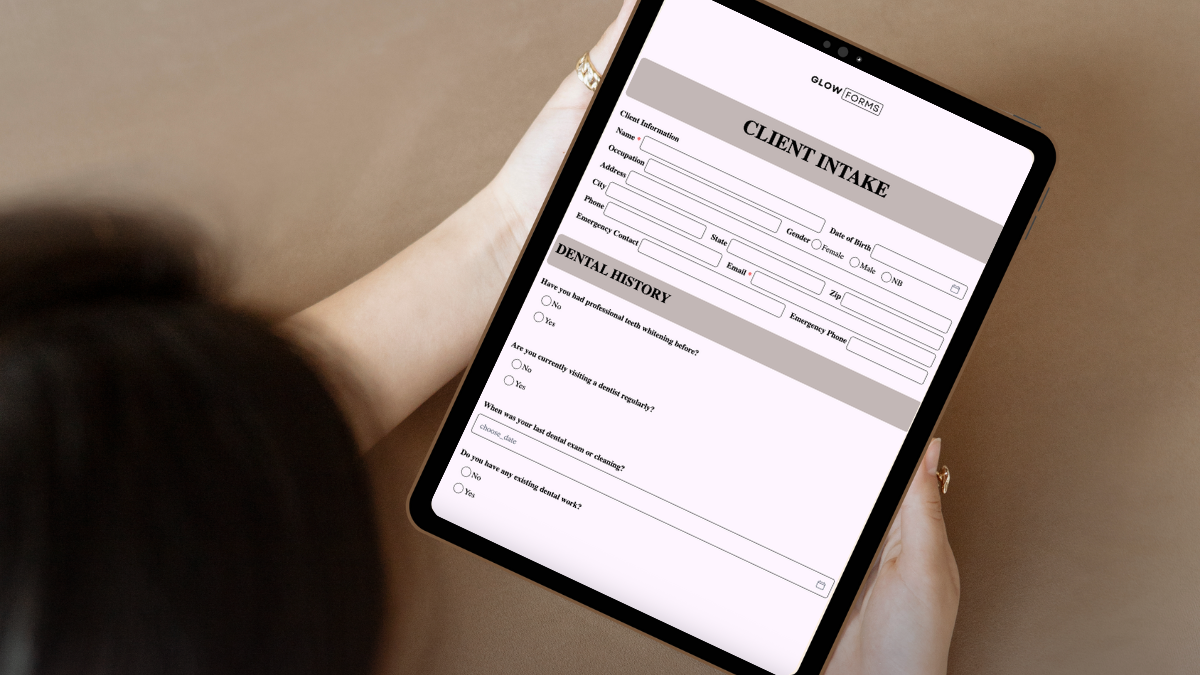
Fast entry: “Click, type, save.” Your team shouldn’t need a tutorial to add or edit a field.
Branded polish: Your logo at the top; your palette on the buttons. Subtle, but it signals professionalism.
One-tap sharing: Email links for pre-appointment intake. QR codes on mirrors and the front desk. Website buttons so nobody needs a login.
Searchable records: Allergies, photos, notes—traceable for years. You’ll thank yourself later.
Security you can say out loud: Modern encryption, GDPR/HIPAA-friendly positioning. Clients ask about privacy now; answer calmly and move on.
Tiny real-world scenarios
Solo lash artist:
You send digital consent + medical history the moment someone books. You peek at it over your tea the night before. You spot the allergy, swap an adhesive, and skip the panic. Appointment starts on time. Client trusts you more.
Busy nail salon:
QR at reception. New clients fill forms while their polish is removed. Your manager has a clean dashboard instead of a wobbling pile of paper under the till.
PMU/aesthetic studio:
Detailed consent, medical questions, and photos, all stored with date/time. You need long-term, traceable records. You actually have them.
Mobile therapist:
One link for every client. Looks as professional as a clinic without dragging a printer in your boot.
Where people usually screw it up
They wait to “do it properly later.” The perfect template never arrives. Start with the essentials: consent, intake, policies, aftercare.
They make the form ugly or confusing. Cluttered fields, tiny fonts, random questions from a generic medical sheet. Trim the noise. Ask only what you’ll actually use.
They forget the records matter. It’s not just about check-in speed. It’s about proof when something goes wrong.
What to include (and what to skip)
Must-haves: Full name, contact details, relevant medical history, allergies/sensitivities, treatment-specific consent, photo/media release (if you post), signatures and timestamps.
Nice-to-haves: Patch test log, aftercare acknowledgment, treatment notes, follow-up prompts.
Skip: Novel-length disclaimers nobody reads. If you can’t point to when you’ll use the information, remove the field.
Tools built for beauty (not “everyone”)
You can bend a generic form builder into shape… or pick something designed for salons and studios. Templates that speak lashes, nails, facials, PMU. Wording that matches real treatments. A dashboard that looks like a studio, not an IT control room. That difference matters at 9:57 a.m. when your first client is already in the chair.
If you’re not “techy”
You don’t need to be. Building/editing forms in GlowForms feels like adding a caption on Instagram: add a field, type the label, hit save. Share by email or QR. Done. If you can text your supplier, you can run digital forms.
A simple, safer standard for your studio
Set a house rule: no treatment starts without a completed digital form in the client record.
It keeps your team consistent. It keeps your brand sharp. It keeps your backside covered.
And yes, it makes Tuesdays quieter.