4 Client Record Mistakes That Make Rebooks Harder for Estheticians and Lash Artists
6 min read
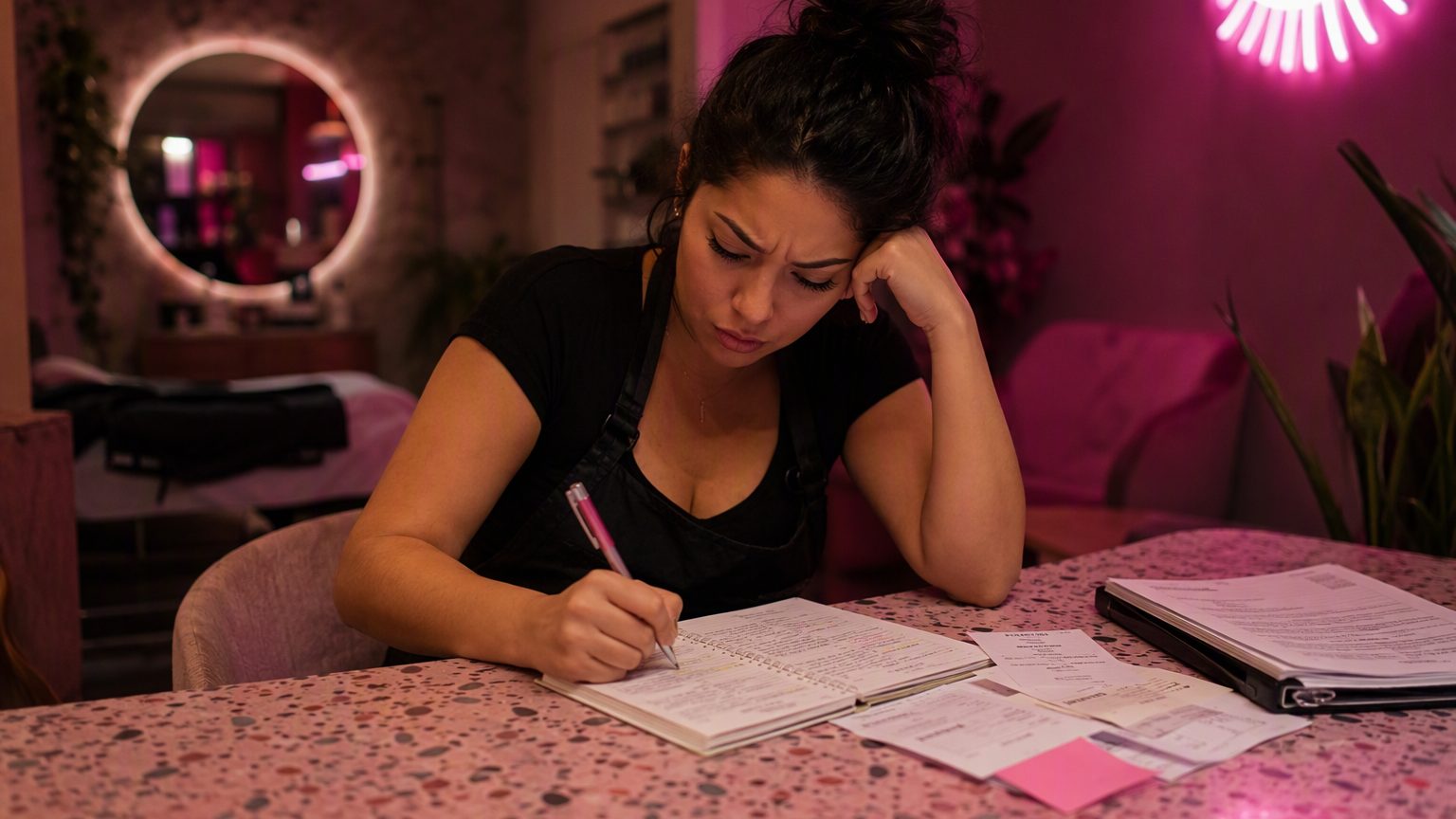
You finish an appointment, walk your client to checkout, and they ask, “Can we do what I had last time?” You know it looked great. But your client records are vague, split between paper forms and old messages, or missing altogether. Now rebooking feels slower than it should.
For estheticians and lash artists, client records are not just storage. Good records help you repeat successful services, personalize the next visit, and make checkout feel easy. Below are four common mistakes that make rebooking harder — and simple ways to fix them.
A note like “facial went well” or “classic fill” does not help much when the client returns four weeks later. Strong service notes for estheticians and lash appointment notes should make the next appointment easier to plan, not harder.
You do not need long paragraphs. You need consistent details:
For estheticians, that might include how the skin responded, any redness, areas of congestion, and products to avoid next time. For lash artists, it could include lash map, curl and length choices, adhesive issues, and retention concerns.
If your notes are incomplete, you cannot confidently recommend the next service or interval. You may hesitate at checkout, ask the client to remind you what happened last time, or miss a chance to suggest the right follow-up. Consistency matters more than writing a lot. Short, repeatable notes beat scattered memory every time.
This is common in beauty businesses. Intake forms are on paper. Consent is in a folder. Notes are in your phone. Patch test details are in texts. A client preference is buried in Instagram DMs. It works until it doesn’t.
When esthetician client records or lash artist client records live in five places, you waste time searching. Even worse, important details get missed. That slows checkout and makes your recommendations less confident.
Imagine a client wants to book again before leaving. Before you suggest the next appointment, you want to confirm their allergy note, their last service date, or their preferred lash style. If that information is hard to find, rebooking turns into a guessing game.
Keep beauty client intake forms, signed consent, and visit notes in one searchable system. Searchable client records make it easier to pull up the full picture fast, whether you work solo or have a small team. One record should tell you what was signed, what was done, and what should happen next.
Even a strong intake form loses value if it never gets updated. Client information changes, and your records should change with it.
In a beauty business, updates may include:
A client who tolerated a product last season may be more reactive now. A lash client may change from dramatic sets to a softer look. If you are relying on old information, your next recommendation may be off.
Outdated records create hesitation. You may hold back from recommending the next service because you are not sure what changed. Or the client has to repeat the same details at every visit. That does not feel smooth or personalized.
A simple workflow helps: update the record before the client leaves, or immediately after the appointment while the details are still fresh. This kind of beauty business recordkeeping supports a better repeat experience without adding much admin time.
Client records should include more than treatment notes. They should also capture signed consent, communication preferences, photo preferences, and relevant treatment history.
These may include:
Missing these details creates hesitation. You may avoid suggesting an add-on because you are unsure what was consented to. You may skip before-and-after photos because you cannot quickly confirm permission. You may need to pause rebooking until a patch test or other requirement is clarified.
This is not about fear. It is about having clear, organized documentation so the next step is easier. When consent and preference details sit alongside treatment notes, you can guide the next booking with more confidence and give clients clear prep instructions for their return visit.
Good paperless salon intake and recordkeeping should give you one clear client profile with the essentials:
The most helpful rebooking cues are often simple:
This improves continuity, saves time, and helps each visit feel more personalized without making your process complicated.
A practical workflow can make digital client intake feel easy:
The goal is not more admin work. It is fewer repeated questions, less searching, and smoother future bookings. A standardized process helps solo pros stay organized and helps small teams deliver a more consistent client experience.
Incomplete notes, scattered files, outdated details, and missing consent information all add friction to repeat bookings. Better client records make it easier to recommend the right next service, answer client questions quickly, and keep appointments feeling personal from one visit to the next.
If you want a simpler way to manage digital client intake, signatures, and searchable client records in one place, try GlowForms and keep your beauty business recordkeeping organized from the first form to the next rebook.